
In response to the COVID-19 pandemic, the government announced a Rs 10,000 crore scheme to benefit two lakh Micro Food Enterprises (MFEs).
The scheme will support new MFEs as well as existing MFEs, farmer producer organizations, Self Help Groups, and cooperatives.
It will be implemented over a five-year period from 2020-21 to 2024-25 using a cluster approach, with a focus on perishable food products. The scheme will be rolled out across India.
Under this scheme, micro enterprises will receive a credit-linked subsidy of 35% of the eligible project cost, up to a ceiling of Rs 10 lakh. Beneficiaries must contribute a minimum of 10%, with the balance financed through a loan.
While funding may be available, scaling food micro-businesses is difficult. Many micro-entrepreneurs lack understanding of the technology behind their business.
There are about 25 lakh unregistered food processing enterprises, of which 66% are in rural areas and 80% are family-owned.
Most micro food businesses are unaware of basic requirements such as FSSAI registration and licensing. As a result, many have been operating without proper registration.
Other aspects that prevent these business from scaling include
- General lack of awareness on food safety & quality guidelines
- Lack of access to technical know how on the science behind food
- Inability to package and label the product accurately
- Testing and measuring product shelf life and extending the same
- Branding, marketing and the ability to introduce it into organized retail
Food is a high risk business and as per FSSAI regulations, it is mandatory for all FBOs to adhere to GMPs & GHPs to ensure food safety and quality. If the FBOs do not ensure compliance, it can threaten public health and may even result in fines imposed on the FBOs. Penalty for unsafe food could lead to an imprisonment term up to six years and fine up to Rs. 5 Lakh.
This is where we can help. We bring in the technical and market expertise which can help micro food businesses grow. We can help
- MFEs with FSSAI registrations & licensing
- Create awareness about FSSAI standards and their requirements
- Develop, implement and maintain food safety & quality policies
- Upgrade their production techniques to improve the product in the supply chain
- Continuously educate them on topics related to hygiene, food safety & quality
- Build relationships with buyers in the market place
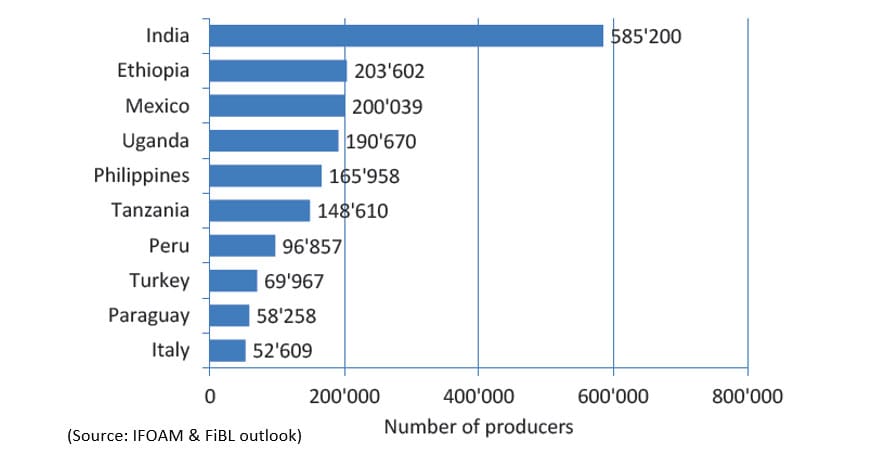
This new scheme of creating a more organized sector of food processing is a welcome step and will help MFEs become more competitive, reduce food wastage and help scale up their supply chain. The rightful next step would be to connect these suppliers to the export markets. Exports of agri and processed foods from India grew healthily by a over 7% in FY19. However, the share of high-value and value added products is less than 15%, compared to 25% in the US and 49% in China. This push should help us improve this % significantly. Another silver lining for the export market could be the organic products as India has the largest number of organic producers in the world.