
INTRODUCTION
For centuries, animal milk has been an essential part of human diets, with cow, sheep, goat, and buffalo milk being the most common. However, in recent years, the rise of plant-based milks has changed consumer preferences. More people explore dairy alternatives for health, lifestyle, and sustainability reasons. Cow milk is sold and consumed by people, with an average of 212 kg of milk per person per year. In India, both cows (53%) and buffaloes (44%) produce most of the milk.
The average milk availability is 471 grams per person per day, against the ICMR recommendation of 300 grams per person per day. India is the largest milk producer in the world, producing around 239 million tonnes (2024-25). Animal milk/Dairy milk is considered a wholesome or complementary food. It provides essential nutrients such as proteins (whey and casein protein), fat (palmitic acid, linoleic acids, linolenic acid), milk polar lipids (MPL), vitamins (vitamin A, vitamin B complex), minerals (iron, calcium, magnesium, phosphorus) and many biomolecules.
Synthesis of milk in animals:
Milk production primarily occurs within the alveoli of a udder/mammary gland, where specialised cells synthesise milk components (proteins, fats, lactose). It is secreted into the alveolar lumen. It then goes into the mammary ducts and finally empties into the sinuses before exiting through the teat/nipple. Milk production is an interplay of cellular and hormonal activity. Milk production starts after the birth of a calf and secrets for nearly 300 days.
European milk breeds such as Holstein Friesian and Jersey give on average 20 litres per day for 300 days. Indian breeds give much less, and it’s about 5 to 7 litres per day for about 250days. Cross-bred cows produce around 10 to 12 litres per day, and two times milking a day is a common practice. The components present in animal milk have been described to have an indispensable function in the body’s growth (both adults and adolescents), metabolism, and maintaining health or well-being. Moreover, many studies have shown that the bio functionalities of the milk include antioxidant, anti-carcinogenic, anti-inflammatory, antihypertensive and anti-osteoporosis.
DRAWBACKS OF MILK CONSUMPTION
However, there are several drawbacks to milk consumption.
Lactose intolerance (LI)
It is one of the most common manifestations related to the consumption of milk. LI occurs for those who cannot digest lactose. It is a disaccharide consisting of one part of glucose and one part of galactose. People who suffer from LI show symptoms such as diarrhoea, gas formation, flatulence, bloat, nausea, and vomiting.
According to research by the U.S., 65% of the world population and 70–100% of Asia people suffer from lactose intolerance. This intolerance also occurs in West African, Arab Jewish, Greek, and Italian populations.

Milk allergy
Milk allergy is another ailment associated with milk consumption, caused by the production of immunoglobulin E (IgE). This immune-related condition can affect the skin, respiratory system, and gastrointestinal tract.
Increase in Low Density Lipoprotein, LDLP
Milk consumption has also been linked with an increase in low-density lipoprotein. It is due to the saturated fatty acid and cholesterol content in the milk. For these reasons, many people look for a new alternative to animal/dairy milk. Alternative products from plant-based sources have become a new interest in many countries.
WHAT IS PLANT-BASED MILK?
These products are also known as plant-based beverages, non-dairy drinks, dairy alternatives, imitation milks, vegetal milks, milk analogues, and plant-based alternatives. However, traditionalists resent the use of the word ‘milk,’ arguing it should apply only to animal sources.
FSSAI definition of milk –
“Milk” means the normal mammary secretion derived from complete milking of a healthy milch animal, without either addition thereto or extraction therefrom, unless otherwise provided in the regulations, and it shall be free from colostrum.
Consumer Trend
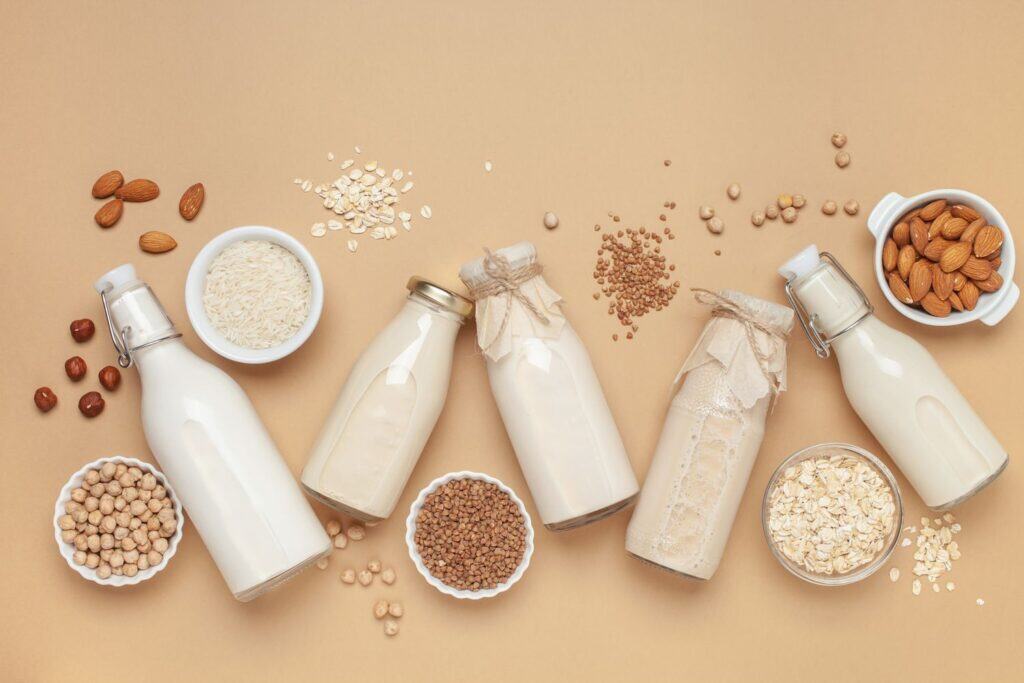
Recently, consumers have tended toward plant-based food products. This includes milk made from cereals, legumes, seeds, nuts, fruits, and vegetables, chosen for various reasons.
The reasons
The reasons cited are a variety of trends like veganism, vegetarianism, lacto-vegetarianism, and ovo-vegetarianism. Veganism is defined as not derived from meat, fish, chicken, pork, other animal products like milk or milk products, egg, honey, or any product that contains any amount of these foods.
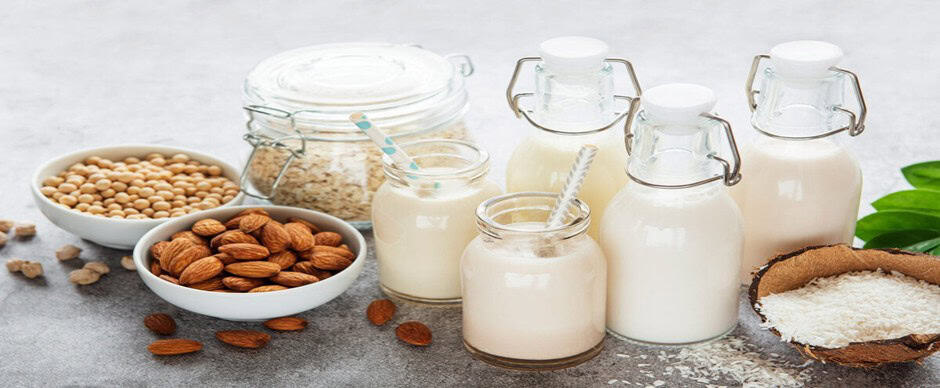
In addition, consumers with lactose intolerance or cow’s milk allergy need plant-based milk substitutes. Many others also choose them for additional health-related reasons. For instance, while a heavy consumption of animal-based foods causes cardiovascular diseases and an increase in cholesterol, consumption of Plant-based foods including soybeans and nuts, reduces the risk of neurodegenerative disorders such as Alzheimer’s disease and Parkinson’s disease.
Further, the health effects of plant-based milk substitutes have been studied in terms of both positive and negative effects. The positive effects because of rich antioxidant activity and unsaturated fatty acids, which reduce the risk of cardiovascular diseases, cancer, atherosclerosis, and diabetes. They also have various negative health effects, including a lack of protein content, low bioavailability of minerals and vitamins, and oral health problems due to added sugar to sweeten the product.
The paradox
Despite all these shortcomings, there is an increasing trend in the consumption of plant-based milks, especially in advanced and rich countries. It is paradoxical that more and more people drink plant-based milks and less and less of dairy milks in the European and North American countries, while the so-called poor countries are consuming more and more dairy milks.
It is interesting to note that even among poor countries, the so-called rich people are gradually switching to plant-based milks. The annual growth rate of plant-based milks is more than 11% and, in the UK alone, the number of people consuming plant-based milks has risen to one million. In the USA, the plant-based milk market jumped from $6 billion in 2017 to $28 billion in 2021 and could reach $40 billion by 2030. Of late, there is a disillusionment with the benefits of plant-based milks, and people are slowly moving away from them.

PLANT-BASED MILKS GAINING POPULARITY:
Plant-based milk is an aqueous extract of plants that resembles animal or dairy milk. Producers use water for extraction and then separate the liquid from the solid particles. The popularity of plant-based milk has gradually increased over the years, supported by the emergence of lifestyle diets such as vegetarianism and veganism.
Growing at 4.9% per year, the market for these products reached over 12 billion USD in 2024 and will likely hit 30 billion by 2030. To develop plant-based milk that is commercially acceptable to the consumer, the knowledge and understanding of the nutritional profile and processing methods become important. This article attempts to provide information on types of milk substitutes, their nutritional content, and the processing steps of plant-based milk.
RAW MATERIALS FOR PLANT-BASED MILKS PRODUCTION
Main ingredients used in plant-based products are derived from different materials, which can be classified according to the raw materials used. The widely accepted plant-based milk classification is based on:
- Legumes such as Soybean, Chickpea, Kidney Bean, Pea, Cowpea & Peanut,
- Cereals such as Corn, Rice, Sorghum, Rye and Wheat,
- Nuts such as Almond, Coconut, Pistachio, Walnut and Hazelnut and
- Seeds such as Flax, Sunflower, Hemp and Sesame.
Generally, the most commonly used ingredients in the plant-based milk formulation are
- Water
Water quality is essential in the production of plant-based milk in terms of water hardness and pH.
- Emulsifiers
Producers use emulsifiers such as proteins, polysaccharides, phosphatides, and microbial surfactants to create small, stable droplets and prevent aggregation during storage and distribution.
- Additives
Producers use additives like thickening agents to enhance viscosity, improve mouthfeel, retain creaminess, and prevent sedimentation during storage. Common biopolymers include starch, pectin, locust bean gum, carrageenan, and alginate.
- Other additives
These include preservatives, vitamins, flavours, colourants and minerals. Producers usually fortify plant-based milk with proteins, minerals (like calcium), and vitamins (A, D, E, B12).
METHOD OF MAKING PLANT-BASED MILK
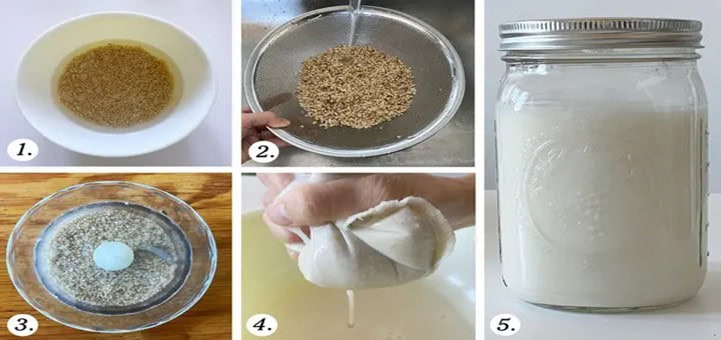
The raw materials and target product determine the processing method for plant-based milk. The essential techniques to obtain the aqueous extract from plant materials involve soaking, milling, filtration/separation, incorporation of additives, homogenization & heat treatment, and packaging.
Soaking to obtain plant-based milks
It is the initial pre-treatment process in plant-based milk production. This step helps the optimal extraction process by swelling and softening the outer layer shell, such as cereals, legumes, and nuts. Besides, the soaking process is also useful for activation of enzymes, elimination of off-flavours, improving sensory properties, and enhancing the nutritional quality.
Wet milling to produce plant-based milks
It results in size reduction of plant materials and modification of pH using sodium hydroxide or sodium bicarbonate, milling temperature, and enzyme addition. These processes enhance the solubility of polysaccharides, proteins, and fat and increase total soluble solids in end-products. The addition of enzymes such as alpha and beta-amylase improves the quality of cereal-based milk as it helps to hydrolyse the gelatinised starch and prevent gel formation in the product during heat treatment.
Filtration/Separation process for plant-based milks
It results in the separation of solid particles from the liquid so as to prevent coarse or grainy texture in the final product. Filtration separates solid particles from the liquid to prevent a coarse or grainy texture in the final product. Traditionally, producers used cheesecloth, but modern methods include ultrafiltration, centrifugation, and decantation.
Food additives that can be added to plant-based milks
Producers add vitamins, minerals, stabilizers, emulsifiers, flavouring agents, colouring agents, salts, and preservatives to improve plant-based milk’s nutritional quality, nutrient bioavailability, and shelf lifestabilisers.
Homogenization & heat treatment of plant-based milks
Pasteurisation kills pathogenic microorganisms and inactivates enzymes. Other methods include ultra-high temperature (UHT) and ultra-high-pressure homogenization (UHPH). Finally, producers package plant-based milk for storage and distribution, using cartons (most commonly Tetra Pak), plastics, or glass. They can also process it into reconstituted powder through spray drying or drum drying.
For decades, the dairy industry has promoted milk as a complete food that fulfils nutritional needs and strengthens immunity, especially in infants. When preparing plant-based milk, producers must ensure it provides comparable nutrition. Since different bases create varied compositions, consumers should read labels carefully to understand nutrient content, storage conditions, and usage suggestions. Unlike dairy milk, which mainly comes from cows and buffaloes, plant-based milks differ by country depending on raw material availability, for example, oat milk in Europe and almond or soy milk in the US.
CONCLUSION
The consumption of plant-based milk has been increasing over the last few years. Rising cases of lactose intolerance, allergies, and new nutritional lifestyles such as vegetarianism and veganism drive this popularity. Producers develop plant-based milk from cereals, legumes, nuts, and seeds. In terms of nutritional content, plant-based milk has some limitations and, therefore, becomes a challenge in plant-based milk development.
Therefore, methods of processing become important to solve this problem. Producers must fortify plant-based milk to match the nutritional content of cow’s milk. It represents the prospective for healthy food, research, and development in plant-based milk. Researchers must closely study and investigate it to optimise the development of products with high consumer acceptability. The fad of using plant-based milks is diminishing even in European countries. It is a matter of time before, even in India, the novelty may wear off.
Author: Dr. P.A. Shankar holds a Ph.D. from the National Institute for Research in Dairying, Reading, England. He served for over four decades at the University of Agricultural Sciences, Bangalore, retiring as Professor and Director of Dairy Science College. Post-retirement, he worked as Director R&D in a company manufacturing activated carbon filters. He is a founding trustee at Innovative Food Foundation. Currently, he is a freelance consultant in food hygiene, probiotics, and microbial enzymes, and is actively associated with professional bodies like the Indian Dairy Association, AFST(I), and the Fermented Foods Network.