
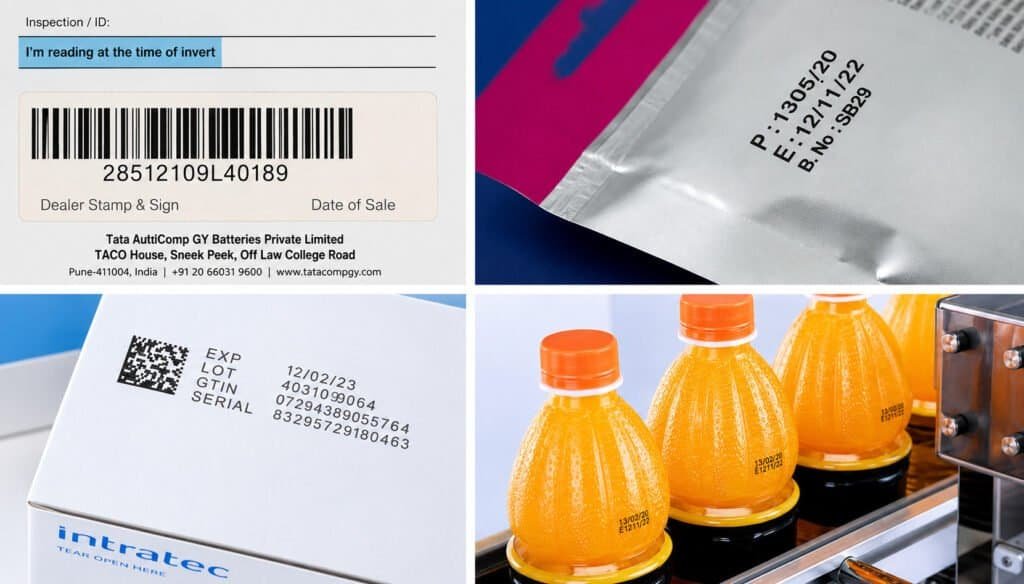
Product information on food packaging is a legally controlled communication, not a marketing afterthought. Every detail printed on a label has a defined purpose, whether it is to inform, warn, or guide the consumer. Inaccurate or misleading information does not just affect brand credibility; it directly violates regulatory requirements and can impact consumer safety.
In India, the Food Safety and Standards Authority of India has established two key regulatory frameworks that govern this area. The Food Safety and Standards Labelling and Display Regulations define what information must be declared on the product label and how it should be presented. The Food Safety and Standards Advertising and Claims Regulations control what a business can state, promote, or imply about its product.
Together, these regulations ensure that product information is truthful, transparent, and not misleading.
Regulatory Expectations from Food Businesses
The Labelling and Display Regulations focus on mandatory declarations. These include core product details that every consumer must be able to access clearly and easily.
This covers:
- Name of the food and its true nature
- Complete list of ingredients in descending order
- Allergen declaration for sensitive consumers
- Nutritional information as per prescribed format
- Net quantity and batch identification
- Date marking such as manufacture and expiry
- Storage instructions and usage guidance
- FSSAI license number and manufactu
The requirement is not just to declare, but to ensure that the information is legible, prominent, and not hidden or misleading.
On the other hand, the Advertising and Claims Regulations govern voluntary information. This includes any claim related to nutrition, health benefits, or product superiority.
Food businesses must ensure that:
- Claims are scientifically substantiated
- Statements are not exaggerated or misleading
- Comparative claims are fair and based on defined criteria
- Terms such as natural, fresh, or healthy are used appropriately
This prevents businesses from creating false perceptions while marketing their products.
Translating Regulations into Practice
Compliance with these regulations requires internal alignment between product development, quality, and marketing teams.
Label creation should follow a structured review process where:
- Formulations are cross checked against ingredient declarations
- Nutritional values are validated through calculation or laboratory analysis
- Claims are verified against regulatory criteria before approval
- Artwork is reviewed to ensure correct format, font size, and visibility
Any change in formulation, supplier, or process must trigger a label review. Static labels in a dynamic production environment are a common source of non-compliance
Why This Matters for Consumers
Consumers rely on product labels to make decisions related to health, safety, and preference. Allergen declarations protect vulnerable individuals. Nutritional information supports dietary choices. Clear instructions ensure safe consumption.
Misleading claims or missing information can directly affect consumer wellbeing, making regulatory compliance a matter of responsibility, not just legality.
Risk Perspective
Non-compliance with labelling and claims regulations can lead to product recalls, penalties, and regulatory action. More importantly, it can damage consumer trust, which is difficult to rebuild once lost.
Errors such as undeclared allergens or false claims are treated as serious violations because of their direct impact on public health.
Closing Note
Product labelling is a controlled and regulated activity that reflects the integrity of a food business. The frameworks established by FSSAI provide clear direction on what must be declared and what can be claimed.
Organizations that treat labelling as a critical control point, rather than a final step, are better positioned to ensure compliance, protect consumers, and maintain long term credibility in the market.