
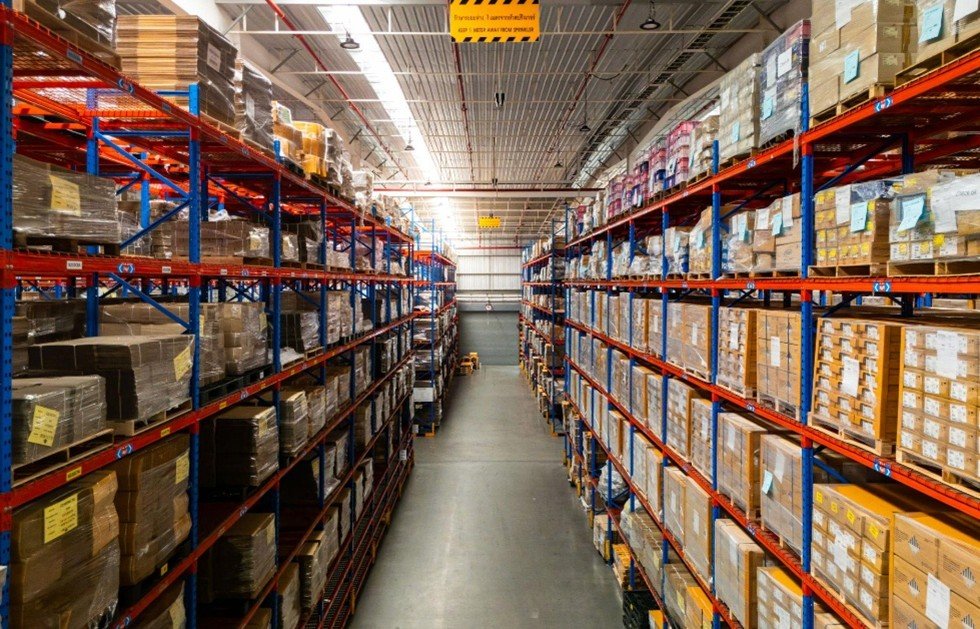
Warehousing is not just a storage function in the food industry; it is a controlled environment that directly influences product safety, quality, and shelf life. Poor storage conditions can compromise even the most well processed products, making warehousing a critical link in the food safety chain.
Regulatory expectations from the Food Safety and Standards Authority of India require food businesses to maintain storage conditions that prevent contamination, deterioration, and mix ups. This includes control over temperature, humidity, hygiene, and stock handling practices.
Storage Conditions Define Product Integrity
Every food product has specific storage requirements. Dry goods, refrigerated items, and frozen products each demand different environmental conditions. Maintaining the correct temperature (0-4˚C for cold products and -18 ˚C for frozen products) and humidity is essential to prevent microbial growth, spoilage, or quality degradation.
Warehouses must be designed to support these requirements, with proper ventilation, calibrated temperature control systems, and continuous monitoring. Any deviation, even for a short duration, can impact product stability.
Organization Drives Control
A well-organized warehouse is easier to manage and significantly reduces risk.
Products should be stored in a structured manner with clear identification and labelling. Segregation between raw materials, packaging materials, chemicals and finished goods is necessary to avoid cross contamination and confusion.
Stacking practices also matter. Materials should be stored off the floor, away from walls, and in a way that allows cleaning and inspection. Over stacking or improper arrangement can lead to physical damage and hygiene issues.
Inventory Management as a Safety Tool
Stock rotation is not just an operational requirement; it is a food safety control.
First In First Out and First Expiry First Out principles ensure that older stock is used or dispatched before newer stock or the stock getting expired first is dispatched before the newer product. This reduces the risk of expired or deteriorated products reaching the market.
Accurate records of receipt, storage, and dispatch support traceability and make it easier to manage recalls as and when required.
Hygiene and Pest Control
Warehouses must be maintained in a clean and hygienic condition at all times. Spillage, dust accumulation, and waste can attract pests and create contamination risks.
A structured cleaning schedule, along with an effective pest control program, is essential. Regular inspection helps in identifying early signs of infestation and taking corrective action.
Handling and Movement of Goods
The way products are handled within the warehouse also affects their safety.
Rough handling can damage packaging and expose products to contamination. Movement of goods should follow defined pathways to avoid unnecessary mixing of different categories.
Personnel involved in warehousing must be trained in hygiene practices and safe handling procedures.
Closing Note
Warehousing is a critical control point where product safety can either be preserved or compromised. It requires consistent attention to storage conditions, organization, hygiene, and inventory practices.
A well-managed warehouse does more than store products. It supports traceability, reduces operational risks, and ensures that the safety and quality achieved during production is maintained until the product reaches the consumer.