
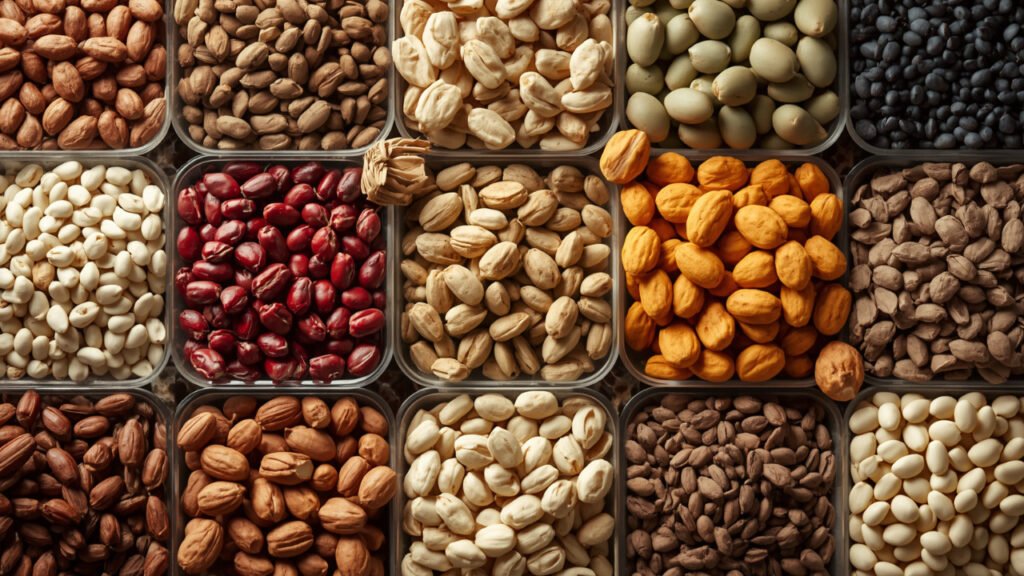
Dietary fiber is one of the most important, yet frequently overlooked, components of a healthy diet. While many focus on vitamins, minerals, and proteins, fiber plays a foundational role in digestion, heart health, and overall well-being.
Fiber Hits Different: Why it outshines Protein-enriched beverages
“Protein keeps you full. Fiber keeps your whole system running clean.” When it comes to fueling your body, fiber is the unsung hero in a world obsessed with protein. While protein-enriched beverages have taken over gym shelves and morning routines, they often lack the staying power and holistic benefits of fiber. Fiber doesn’t just satisfy hunger, it nourishes from the inside out. Trend forecasters predict “fiber will be the next protein”, with growing consumer interest in “high fiber” on labels, especially among Gen Z, who are actively embracing the “fiber-maxxing” wave.
What exactly is Dietary Fiber?
fiber is a type of carbohydrate that your body can’t break down. Instead, it completes its journey through the digestive tract mostly intact—acting as both a gentle cleaner and a nourishing agent for the gut.
There are two main types of dietary fiber: Most plant-based foods contain both types, but usually one predominates.
Soluble Fiber: Dissolves in water to form a gel-like material, helping lower blood cholesterol and glucose levels. Eg: oats, apples, beans.
Insoluble Fiber: Promotes the movement of material through your digestive system and increases stool bulk, assisting with constipation. Eg: whole grains, nuts, vegetables.
The unseen benefits of Fiber: Why your body craves it
You might wonder if fiber isn’t digested, why do we even need it? Here’s where the magic unfolds:
Digestive health: Fiber adds bulk to stool and softens it, which helps maintain bowel health and regularity. This can prevent constipation and lower risk of developing digestive disorders
Heart health: Soluble fiber, found in beans, oats, flaxseed, and oat bran, can help lower cholesterol levels by binding with cholesterol particles in the digestive system and removing them before they enter circulation.
Blood sugar control: Fiber especially the soluble types lowers the absorption of sugar and helps improve blood sugar levels.
Weight management: High-fiber foods are more filling than low-fiber ones, so you’re likely to eat less and stay satiated longer.
How Much Fiber Do You Need?
The Recommended Daily fiber intake varies by age and gender. On average:
| SI No. | Age group | Category of work | Body weight | Dietary fiber |
| 1 | Men | Sedentary | 65 | 30 |
| Moderate | 40 | |||
| Heavy | 50 | |||
| 2 | Women | Sedentary | 55 | 25 |
| Moderate | 30 | |||
| Heavy | 40 | |||
| 3 | Children | 1-3 4-6 7-9 | 12.9 18.3 25.3 | 15 50 26 |
| 4 | Boys | 10-12 | 34.9 | 33 |
| 5 | Girls | 10-12 | 36.4 | 30 |
| 6 | Boys | 13-15 | 50.5 | 43 |
| 7 | Girls | 13-15 | 49.6 | 36 |
| 8 | Boys | 16-18 | 64.4 | 50 |
| 9 | Girls | 16-18 | 55.7 | 38 |
Top Fiber-Rich Foods
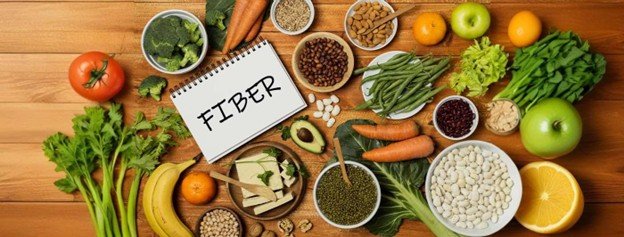
Incorporating dietary fiber into your diet doesn’t have to be difficult. Some of the most fiber-rich foods include:
- Legumes: Beans, lentils, and chickpeas are fiber superstars. One cup of cooked black beans boasts about 15g of fiber.
- Whole grains: Swapping out white bread and rice for whole-grain versions makes a big difference. Foods like oats, brown rice, barley, and whole-wheat pasta all contribute valuable fiber.
- Fruits: Raspberries, pears (with skin), apples (with skin), bananas, and oranges are high in fiber. A medium pear can provide about 5-6g.
- Vegetables: Artichokes, peas, broccoli, and carrots are all good choices. A cup of cooked artichoke delivers over 10g of fiber.
- Nuts and Seeds: Almonds, chia seeds, and flaxseeds add crunch and fiberchia seed.


| High-Fiber Food Chart | |||||
| S No. | Food Category | Food Item | Fiber (g/100g) | Type of fiber | Reference |
| 1 | Cereals & Grains | Oats | 10.6 | Soluble (β-glucan) | United States Food and Drug Administration |
| 2 | Whole wheat flour | 12.2 | Insoluble | Indian Council of Medical Research | |
| 3 | Brown rice | 3.5 | Insoluble | Indian Council of Medical Research | |
| 4 | Finger millet | 11.2 | Both | Indian Council of Medical Research | |
| 5 | Pulses & Legumes | Lentils (raw) | 10.7 | Both | Indian Council of Medical Research |
| 6 | Chickpeas | 12.2 | Soluble rich | United States Food and Drug Administration | |
| 7 | Kidney beans | 6.4 | Both | United States Food and Drug Administration | |
| 8 | Bengal gram | 12.5 | Both | Indian Council of Medical Research | |
| 9 | Fruits | Guava | 5.4 | Insoluble | Indian Council of Medical Research |
| 10 | Apple (with skin) | 2.4 | Soluble | United States Food and Drug Administration | |
| 11 | Banana | 2.6 | Resistant starch | Indian Council of Medical Research | |
| 12 | Raspberry | 6.5 | Insoluble | United States Food and Drug Administration | |
| 13 | Vegetables | Carrot | 2.8 | Soluble | Indian Council of Medical Research |
| 14 | Drumstick | 3.2 | Insoluble | Indian Council of Medical Research | |
| 15 | Broccoli | 2.6 | Both | United States Food and Drug Administration | |
| 16 | Nuts & Seeds | Chia seeds | 34 | Soluble | United States Food and Drug Administration |
| 17 | Flax seeds | 27 | Soluble | United States Food and Drug Administration | |
| 18 | Almonds | 12.5 | Insoluble | Indian Council of Medical Research | |
Innovations in dietary fiber in food
- Functional Fibers & Prebiotics
– Designer Prebiotics: Tailored prebiotic fibers (like inulin, galacto-oligosaccharides) aimed at promoting specific gut bacteria for targeted health outcomes ( mental health, immunity).
– Precision Synbiotics: Combining next-generation fibers with specific probiotics for optimized gut health.
– Isolation of Novel fibers: Extracting unique fibers from underused plants (seaweed, cacti, pulses) for targeted benefits. - Clean Label & Natural Sources
– Clean Label Fibers: Simple, recognizable fiber ingredients like citrus peel powder, apple fiber, or pumpkin fiber for label-friendly fortification.
– Byproduct Utilization: Upcycling agricultural waste (fruit peels, shells, stalks) as novel fiber sources to reduce food waste. - Sensory/Experience-Based Innovations
– Clear, Tasteless Fiber: Development of soluble fibers with no taste, added to beverages, soups, stews, and desserts without consumer detection.
– High-Fiber Gels & Foams: Creating new textures and formats (chewable gels, whipped foams high in fiber) for functional snacks, Fiber in Beverages and Supplements - High-Fiber Functional Drinks: Adding soluble fiber to sodas, teas, and waters for a satiating, health-boosting beverage.
Sprayable Fiber Supplements: Quick-dissolve powders or sprays to fortify foods right before consumption. - Sustainability-Driven Innovations
– Regenerative Crops: Growing fiber-rich crops that also restore soil health and biodiversity (hemp, amaranth).
– Carbon-Negative Production: Developing fibers from algae or mushroom mycelium that sequester carbon during cultivation.
Conclusion
“The Fiber World” isn’t just a trend- it’s the start of a full‑on fiber revolution in the food landscape. As more people move beyond empty calories and protein‑obsessed gimmicks, fiber stands at the center of a smarter, more sustainable way to eat: better gut health, steadier energy, and long‑term wellness built into every bite and sip. In a world of quick fixes, the fiber revolution reminds us that real change happens from the inside out and that the future of food is not just about what we crave, but what our bodies actually need.