
Bengaluru, India:
A recent survey conducted by our team on consumer perception of food brands reveals that safety, hygiene, and trust remain the most decisive factors influencing food choices across age groups. The survey gathered responses from food industry professionals as well as general consumers, offering a balanced perspective on how food brands are perceived today.
Respondent Profile
The survey included participants from the 25–34, 35–44, 45–54, and 55+ age groups, with respondents based in cities such as Bengaluru, Chennai, Mysuru, Vadodara, Kota, and Dubai. A majority of respondents were food professionals working in quality assurance, production, and operations, while a smaller segment represented general consumers with no professional involvement in the food industry.
Key Insights from the Survey
1) Food Safety Is Non-Negotiable Across All Age Groups
Across all demographics, food safety emerged as the most important expectation from food brands.
Food professionals aged 25–34 emphasised:
- Hygienic production facilities
- Clean handling and packaging
- Products that do not cause illness
- Clear nutritional value and good consumer reviews
Food professionals aged 45–54 and 55+ strongly associated food safety with:
- Robust factory controls
- Compliance with GMP and cleanliness standards
- Assurance that food consumption will not pose health risks
Consumers aged 35–44 and 45–54 defined food safety as:
- Food that “does not harm on intake”
- Proper packaging and sourcing controls
2) Strong Trust in Established Dairy and Staple Brands
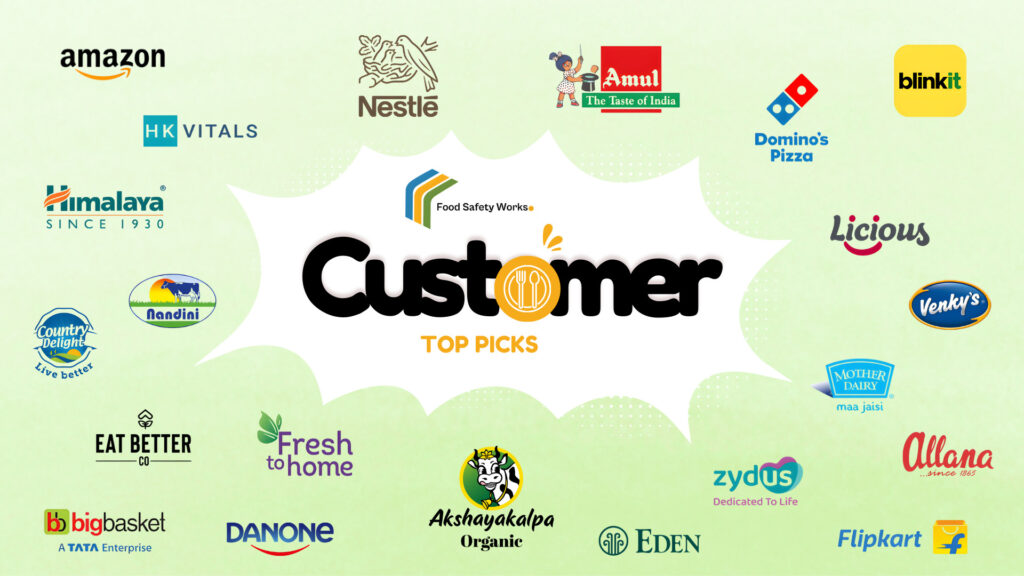
Certain brands were consistently mentioned as trusted choices, particularly in dairy and everyday food categories.
Frequently trusted brands across age groups:
These brands were associated with reliability, quality consistency, and consumer confidence, especially among food professionals.
3) Meat, Poultry, and Fresh Food Brands: Mixed Perceptions
Meat and poultry brands were clearly referenced in the survey, reflecting both trust and scrutiny from respondents:
Preferences leaned toward:
While some respondents trusted organized meat brands for convenience, others preferred home-grown poultry or local known sources, citing freshness and control as deciding factors. Food professionals emphasized that meat and poultry brands must demonstrate strong cold-chain management, hygiene, and assurance of safety to earn long-term trust.
4) Mixed Perception of Restaurants and E-Commerce Platforms
Younger food professionals (25–34) showed comfort with:
- E-commerce platforms such as Amazon, Big Basket, Blinkit, and Flipkart
- Well-known FMCG chains
Older respondents (45+) preferred:
- Clean, well-maintained restaurants
- Open kitchens and visibly hygienic food preparation environments
5) FMCG, Nutrition, and Wellness Brands Under the Lens
Several FMCG and wellness brands were mentioned as part of consumer evaluation of health-focused products:
Respondents assessed these brands based on nutritional value, ingredient transparency, and health impact, with repeated emphasis on wholesome food that delivers nutrition without adverse effects.
Health Commitment Defines Brand Credibility
Across professions and age groups, respondents linked good food brands with:
- Commitment to public health
- Assurance of “fit and safe for consumption” food
- Nutrition without adverse health effects
Food professionals, in particular, stressed that food should never be the cause of illness, highlighting the responsibility brands carry toward consumer well-being.
Conclusion
The survey highlights a clear and consistent message: Indian consumers and food professionals alike prioritize safety, hygiene, and trust over variety or novelty. Brands that demonstrate transparency, maintain high production standards, and show commitment to health continue to earn long-term loyalty. As awareness around food safety grows, these factors are expected to play an even more critical role in shaping consumer decisions.