
Our Relationship with Sweetness
Sweetness has always been part of our everyday food experience. From a spoon of sugar in tea to desserts saved for special occasions, sweet taste is associated with comfort, familiarity, and pleasure. For decades, sweetness in food was simple and unquestioned. Sugar was sugar, and that was enough.
Over time, eating habits changed. Health awareness increased, labels became more detailed, and consumers started paying closer attention to what goes into their food. Sweetness did not disappear, but the way it was delivered began to evolve. Ingredients were reformulated, alternatives entered the market, and new names started appearing on labels.
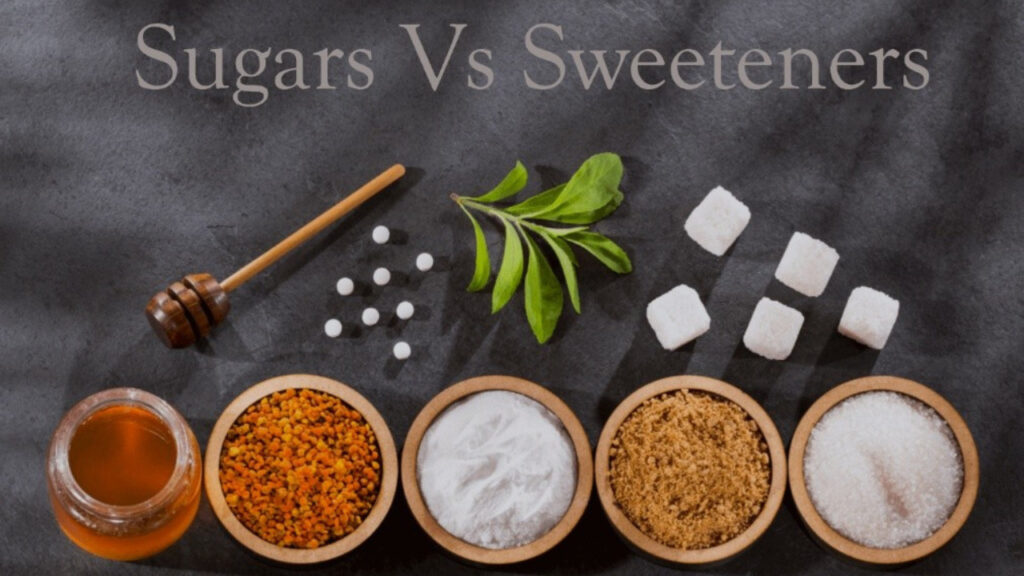
Today, sweetness is no longer sourced from a single ingredient. It comes from a wide range of sugars and sweeteners, each selected for functional performance, nutritional positioning, and consumer perception.
Sugars and Sweeteners: A Clear Distinction
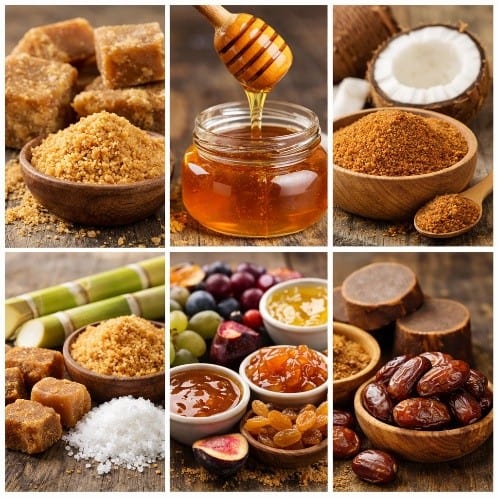
Sugars are carbohydrates that provide energy and calories. They occur naturally in foods such as fruits, milk, and honey and are also added during processing. Regardless of source, whether sugarcane, coconut, jaggery, or dates, all sugars contribute calories and influence blood glucose levels, even when positioned as natural or traditional.
Sweeteners are used to provide sweetness with reduced or zero caloric contribution. These include plant derived sweeteners such as stevia, sugar alcohols like maltitol and erythritol, and artificial sweeteners such as aspartame and sucralose. While their sources and metabolism differ, their shared objective is to maintain sweetness while reducing sugar content.
Natural Sugars: Familiar but Still Sugar
Natural sugars such as sucrose, glucose, fructose, honey, jaggery, coconut sugar, and palm sugar are often perceived as healthier due to their origin and traditional associations. From a nutritional standpoint, however, they still function as sugar. They provide calories, impact blood glucose, and deliver key functional properties like bulk, browning, and mouthfeel.
Their advantage lies less in nutrition and more in perception. Familiar names and cultural acceptance give these sugars a cleaner image, even though their metabolic effect remains largely unchanged.
Sweeteners Beyond Sugar
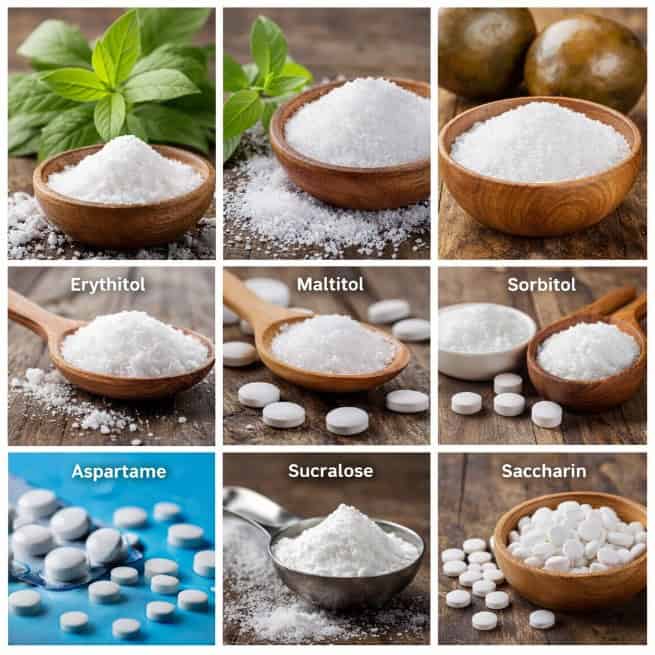
Natural sweeteners such as stevia and monk fruit offer high sweetness with minimal calories and are widely used in reduced calorie and diabetic friendly products. Their plant-based positioning aligns well with current consumer preferences, though they are often blended to manage bitterness and aftertaste.
Sugar alcohols, including maltitol, sorbitol, erythritol, and xylitol, sit between sugars and zero-calorie sweeteners. They contribute sweetness with fewer calories and help replicate a sugar-like texture. Erythritol has gained popularity due to its near-zero caloric value and low glycemic response.
Artificial sweeteners such as aspartame, sucralose, and saccharin are intensely sweet, calorie free, and cost effective. Despite regulatory approval, consumer hesitation around artificial ingredients has led brands to combine them with natural alternatives to improve acceptance.
Marketing Mimics Behind Sweeteners
Marketing mimics refer to sweetness strategies that are legally compliant yet carefully framed to create a healthier perception than the formulation may actually deliver. The sweetness remains indulgent, but the surrounding language reassures the consumer.
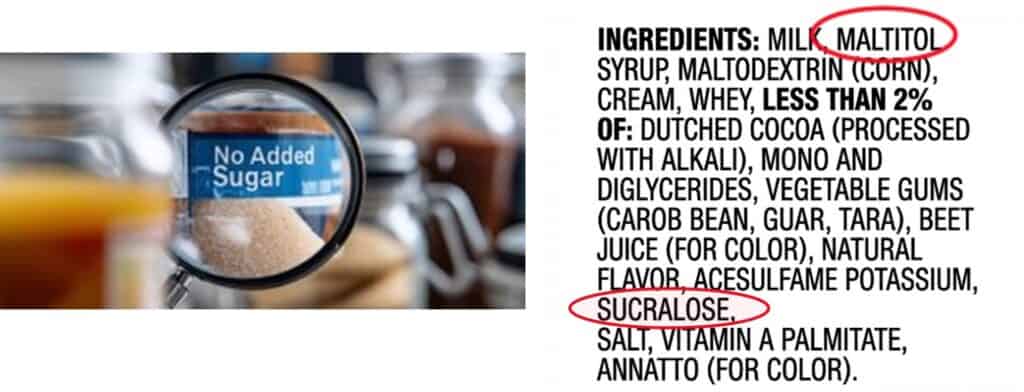
A common example is the No Added Sugar claim. While these products do not contain added table sugar, they often rely on artificial sweeteners, sugar alcohols, or other sweetening systems to achieve the same taste profile. Many consumers interpret this claim as meaning no sweeteners at all, when in reality sweetness is still engineered.
Fruit based ingredients such as fruit juice concentrates or fruit powders are sometimes used to replace added sugar while maintaining sweetness. Although derived from fruit, these ingredients are concentrated sources of free sugars and primarily function as sweetening agents rather than offering a meaningful nutritional advantage.
Sugar free products follow a similar approach. Although sugars are absent, sweetness is recreated using combinations of high intensity sweeteners and polyols. The emphasis remains on what has been removed, not on how sweetness is delivered.
Natural positioning further blurs understanding. Sweeteners described as plant derived or natural may still undergo extensive processing or be blended with artificial components. The ingredient origin may appear simple, yet the final formulation is frequently far more complex than consumers anticipate.
In most cases, consumers are not misled by false claims, but by incomplete interpretation. The mimic is psychological. Sweetness feels familiar, the label sounds reassuring, and the complexity behind it remains unnoticed.
Conclusion
In today’s food industry, sweeteners are no longer just formulation choices. They are strategic tools that influence product positioning, claims, and consumer trust.
Sweetness may drive the first purchase, but transparent and informed sweetener choices are what sustain long term credibility.