
Sesame seeds exported from India
Sesame seeds exported from India have faced some challenges recently. Very high levels of ethylene oxide were notified through RASFF (Rapid Alert System for Food and Feed) in the month of September, in certain batches of sesame seeds originating in or sent from India and having entered the EU. Those results exceed more than 1,000 times the maximum residue limit (MRL) of 0.05 milligrams per kilogram for ethylene oxide set by regulation. This affected more than 250 tonnes of sesame seeds distributed in 34 batches from several different exporters. As per RASFF the analytical results of sesame seeds exported to Belgium showed Ethylene oxide at 186mg/kg. Ethylene oxide is one of the chemicals in the list of unapproved chemical as an active substance for use in plant protection products.
India is the largest exporter of sesame seed

India is the largest exporter of sesame seed in the world, which also means it controls a significant part of the market, approximately 21% totaling an annual export of 260,131 tons during the period 2001-2016. But a situation like the above could result in India loosing the leadership position.
Although the EU identifies sesame as one of the 14 allergens, authorities are recalling sesame seeds exported to countries including Belgium, Andorra, Bulgaria, Denmark, Estonia, Greece, Hungary, Ireland, Latvia, Lithuania, Malta, Poland, Portugal, Qatar, Romania, Russia, Saudi Arabia, Singapore, Slovakia, Slovenia, Spain, Switzerland, the United Arab Emirates, and the United Kingdom due to high levels of ethylene oxide—not because of undeclared allergens, incorrect labeling, or the presence of microorganisms.
The European Commission classifies this contamination as a serious risk to human health because it acts as a mutagen, carcinogen, and reproductive toxicant. Although consuming the contaminated sesame seeds does not pose an immediate health risk, prolonged consumption of ethylene oxide can cause health problems. Therefore, authorities need to minimize exposure to this substance. Experts at Netherlands Food and Consumer Product Safety Authority (NVWA) are investigating how much-contaminated sesame seed you have to eat before there are issues.
EU Commissioned Implementation Regulation
In 2017 EU had commissioned implementation regulation for specific conditions for consignments from third countries due to microbial contamination and amended Regulation (EC) No 669/2009. Authorities adopted this measure in 2017 to ensure that sesame seeds exported from India to EU countries do not contain Salmonella, which was found to be prevalent.
To overcome this problem of Salmonella in sesame seeds, Indian exporters started using Ethylene oxide to inhibit the growth of Salmonella during the storage and transport.
The outcome has been the industry has jumped out of the frying pan into the fire. The problem has also been escalated because the local regulator FSSAI has no regulation with respect to residual Ethylene oxide in products sold locally leaving the local population exposed to carcinogenic agent in their supply chain.

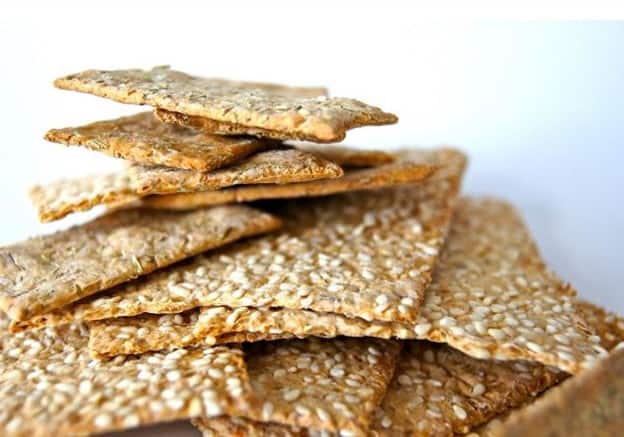
People widely use sesame seeds in India and other countries in products such as cereals, salads, chocolate, biscuits, bread, crackers, sesame oil, bagels, and Asian dishes. Indian cooking also uses them extensively in gravies. Additionally, sesame seeds feature prominently in Indian sweets like gajak and revadi in Rajasthan, as well as in other similar traditional products.