
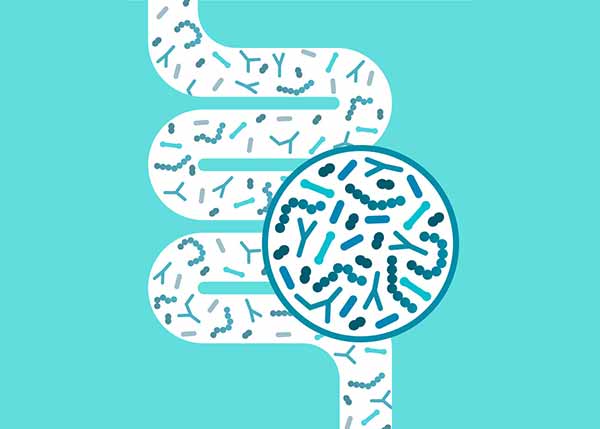
Postbiotics and gut microbiome are emerging as pivotal concepts in food science, offering new avenues for enhancing human health through targeted nutrition. As research deepens, the role of postbiotics, non-living microbial metabolites, in modulating the gut microbiome is gaining attention for its potential in immunity, digestion, and regulatory compliance.
Our understanding of the human digestive system often revolves around the gastrointestinal tract & accessory organs like the liver, pancreas, gall bladder, etc. and its enzymes and secretions.
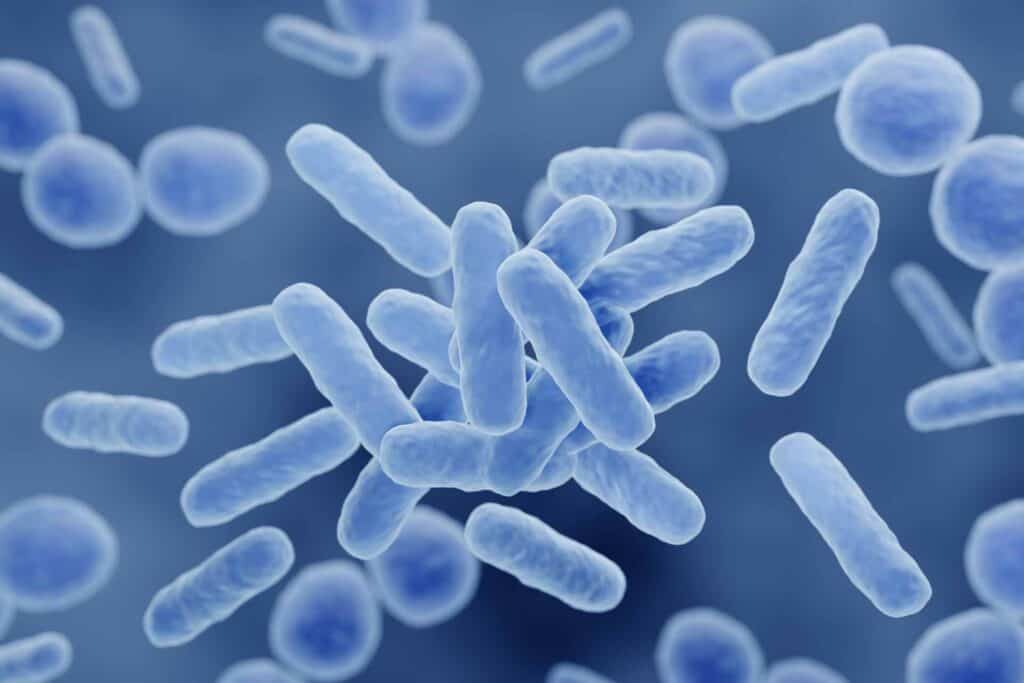
The digestive system hosts 300 to 1000 different species of bacteria, archaea, fungi, and viruses. Together, these microorganisms form the gut microbiome. In collaboration with human cells, the gut microbiome supports efficient physiological functioning. As a result, postbiotics and their interactions with the gut microbiome play a crucial role in supporting overall health. From pathogens resistance, metabolising complex carbohydrates like fibres, oligosaccharides, to controlling immune function and even behaviour through gut-brain axis; gut microbiome is one of the most vital systems in the body. Unbalanced Gut microbiome, also known as Dysbiosis, is caused due to loss of beneficial bacteria, overgrowth of pathogenic bacteria or overall loss of bacterial diversity.
Researchers have linked dysbiosis, or gut microbiome imbalance, to several metabolic disorders. These include diabetes and fatty liver disease. Dysbiosis is also associated with autoimmune conditions such as rheumatoid arthritis and inflammatory bowel disease (IBD). In addition, harmful gut microbes contribute to cardiovascular diseases like atherosclerosis. They produce excess trimethylamine oxide (TMAO), which builds up in arteries and restricts blood flow to the heart. Therefore, maintaining postbiotics and gut microbiome balance is essential for overall health.
Gut Health Supplements
Along with a good lifestyle and healthy diet, Functional food products are often recommended to maintain a balanced microbiome (Eubiosis). These products include:
- Probiotics: Food rich in microbes – Yoghurt, kefir, kimchi, pickles etc.
- Prebiotics: Food that promotes growth of gut microbes – Fibre-rich foods like beans, legumes, Oats, etc. &
- Synbiotics: mixtures of probiotics & prebiotics.
A new class of microbiome-targeted functional food products called Postbiotics are emerging. The International Scientific Association of Probiotics and Prebiotics (ISAPP), a global non-profit dedicated to advancing probiotics and prebiotics science, defined postbiotics in 2021 as ‘a preparation of inanimate microorganisms and/or their components that confers a health benefit on the host.
Researchers studying postbiotics and the gut microbiome often use beneficial microbes to create postbiotic preparations. These include bacterial genera such as Lactobacilli and Bifidobacterium, along with yeasts and filamentous fungi. These preparations contain key bacterial metabolites. Examples include extracellular polysaccharides such as glucose, galactose, glucuronic acid, rhamnose, and xylose. They also contain peptidoglycan, short-chain fatty acids like acetate, propionate, and butyrate, along with bacteriocins and organic acids. These compounds contribute to gut microbiome modulation and support host health. According to Allied Market Research, the market for postbiotics is projected to grow to $3 billion by 2031.
Why Postbiotics
Postbiotics have antioxidative, anti-inflammatory, antimicrobial and immunomodulatory properties. Therefore, postbiotics, composed of dead microbial cells and their metabolites, offer a safer alternative for immunocompromised consumers. Postbiotics help reduce the risk of antibiotic resistance. This makes gut microbiome-friendly solutions more valuable in health-focused formulations. Moreover, they are more stable than probiotics during processing and storage. To fully grasp the impact of postbiotics and gut microbiome synergy, it’s essential to explore their role in immune regulation.
Applications of Postbiotics
The food, drug, and cosmetic industries are increasingly using postbiotics to develop value-added products. These products support health, stability, and clean-label innovation.
Food industry innovators use postbiotics to develop dietary supplements and functional foods. These include postbiotic-enriched products and natural bio-preservatives. Interest in postbiotics and gut microbiome health continues to grow. As clean-label demand rises, chemical preservatives are losing favour. Postbiotics offer a safer, consumer-friendly alternative. The use of postbiotics as bio-preservatives is the most promising application of postbiotics.
A study demonstrated that applying postbiotic-rich cell-free supernatant from L. plantarum to artificially contaminated fresh chicken meat maintained its shelf stability for 7 days under refrigeration. Researchers also showed that the cell-free supernatant of L. plantarum improves the shelf life of soybean grain. Apart from bio-preservatives, the antimicrobial properties of postbiotics have also found application in packaging material (Cellulose) treated with postbiotics.
These findings highlight the importance of postbiotics and gut microbiome balance in next-gen food formulations.