
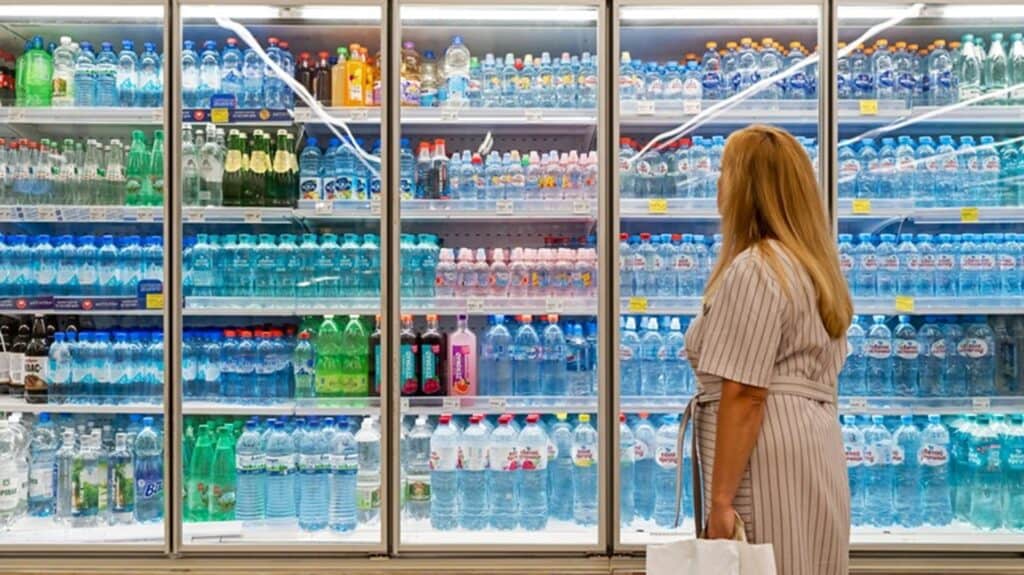
Decoding the world of the drinking water market
Hydration plays a vital role in maintaining overall health and well-being. From promoting radiant skin and enhancing mood to supporting heart health, digestion, energy levels, and weight management, the benefits of adequate water intake are well established. Often referred to as the “elixir of life,” water is essential for human survival. However, while staying hydrated may seem simple, the bottled water market presents a surprisingly wide range of options, each claiming distinct benefits and characteristics. From natural spring water to alkaline and mineral-enriched varieties, the choices can be overwhelming. Gaining a clear understanding of these different types can empower consumers to make informed decisions based on their specific hydration needs.

Bottled water consumption has witnessed significant growth over the past few decades, particularly in developed countries, and the trend is rapidly gaining momentum in other parts of the world. Globally, the bottled water market was valued at approximately $217.6 billion in 2021 and is projected to reach $310 billion by 2028, growing at a compound annual growth rate (CAGR) of 7.4% between 2023 and 2030. Consumption rose from 232 billion litres in 2011 to 391 billion litres in 2020, with projections indicating it could exceed 500 billion litres by 2025. In the United States, bottled water has surpassed carbonated soft drinks as the most-consumed packaged beverage, with per capita consumption reaching 38.3 gallons annually. Meanwhile, the Asia-Pacific region is emerging as the fastest-growing market, expected to expand at a CAGR of around 7.8% through 2028. This shift is not only about volume but also about diversification, sparkling water alone accounted for $46 billion in 2024 and continues to grow steadily. Consumer preferences have evolved from simply choosing purified water to exploring options like spring water, mineral water, alkaline water, and carbonated varieties, driven largely by health consciousness and convenience. As a result, bottled water now represents over 25% of all bottled beverage sales globally.
The following are the different varieties of water available in the market today:
- Mineral Water
- Sparkling Water
- Alkaline Water
- Artesian Spring Water
- Flavoured Water
1) Mineral Water:
Just like the name states, this type of water is rich in mineral contents like Calcium, Magnesium and Sulphur. The source of this is the mineral-rich underground water. After sourcing it, they are packaged and sold. It is not chemically processed water. As it contains a good amount of minerals, it does provide some health benefits, which include improving immune health and aiding the digestion process, lowering blood pressure, strengthening bones, etc.
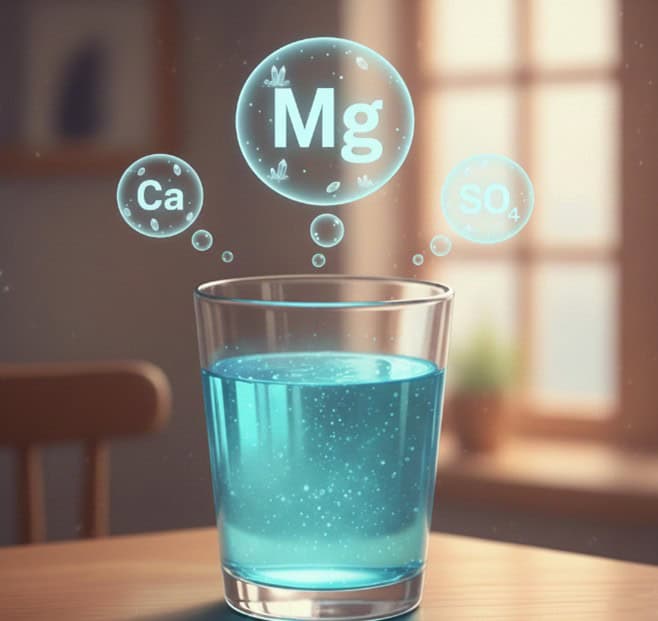
The cost of natural mineral water comes under the cons when you compare it with tap water. Unlike other water, these are bottled at the source. So, a certain minimum quantity of microbes can be present in them.
2) Sparkling Water:
Sparkling water is also known by the names of Carbonated water, Seltzer water, Soda water, Club soda and Fizzy water. This water contains carbon dioxide gas, which is either due to infusion or natural. The infusion process combines carbon dioxide and water under pressure. Even mineral water is often carbonated and sold as natural sparkling mineral water.
The benefits of sparkling water consumption include hydration, an alternative to soda and other high-calorie drinks, which will help in weight management, improve digestive health, help ease constipation and give you feelings of fullness.
At the same time, there are a few other points to be considered. Carbonated water is acidic in nature. The pH level is between 3 – 4. There are concerns that it might affect dental health. However, not many studies and research have been done to confirm this. Sparkling water with high sugar content can promote tooth decay if it is consumed for a long time.
Now let’s compare each one of them so that you can choose which one fits best for you.
| Club Soda | Seltzer Water/ Soda water | Sparkling Mineral Water | Tonic Water |
| It is carbonated with carbon dioxide gas, or CO2, by injection. May contain added minerals | Similar to club soda, it is a carbonated drink | It is naturally carbonated water. Contains minerals | Similar to club soda, this is also carbonated & added with minerals |
| Common minerals added: Sodium bicarbonate, Sodium chloride, Potassium sulfate, Disodium phosphate | It doesn’t contain added minerals | The common minerals present are calcium, Magnesium, and Sodium | Added Quinine (a bitter compound) and small amounts of minerals like Zinc, Sodium & Copper |
| Mild & slightly salty | Plain taste | Slight mineral-y taste. The taste varies depending on the mineral content | Strong, bitter & sweet flavour |
| Zero calorie | Zero calorie | Zero calorie | Contains added sugar or high-fructose corn syrup |

3) Alkaline Water:
As the name states, it has a higher pH than normal tap water. The pH of alkaline water is between 8 and 9. This is because it contains added ingredients or minerals. What is the benefit of having a higher pH? Based on a few studies & research, it has been found that alkaline water helps in relieving gastrointestinal issues like bloating, abdominal pain, and stomach aches when it is regularly consumed.
Two types of alkaline water are available in the market.
1) Natural Alkaline water: This water is sourced from an area where there are rich mineral-containing rocks. Also, certain minerals like Magnesium, Calcium, Potassium & bicarbonate are added to this by some brands.
2) Artificial Alkaline water: This type of water has been treated by a process called electrolysis to achieve a higher level of pH. They use an appliance called an ioniser and separate more acidic molecules.
There are many health claims for alkaline water, but there is not enough research & studies conducted to back those claims. It has been considered safe to consume. But still, there is a lack of scientific evidence to back this.
Black Alkaline Water:
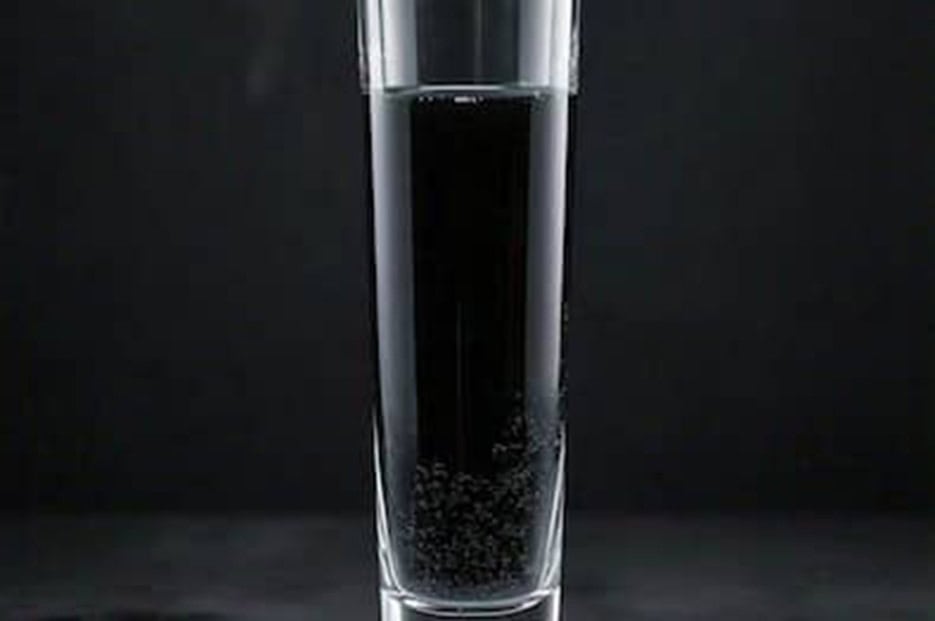
This type of alkaline water contains minerals like Calcium, Magnesium, Potassium and Sodium. This water is black or dark-coloured because of the presence of fulvic acid. It tastes just like normal water. It has helped relieve many health issues like indigestion, diabetes, diarrhoea, digestive problems, reducing blood viscosity, slowing down ageing and reducing blood glucose levels, being a few of them. There are very few studies on this, but we still lack enough scientific evidence to confirm these claims.
Also, a few cons of this product should be discussed. These include vomiting, nausea, confusion, balance difficulty and alkalosis (change in pH). Because of the side effects which should be considered and the lack of research and studies on it, you should consult a physician before you decide to consume it or not.
4) Spring Water:
Every spring’s supply originates from a subterranean source and does not go via a public water infrastructure.

It is also impervious to pollution and contamination within specific perimeters of vulnerability, although chemical treatment is not an option. Furthermore, it is safe for human consumption right from the source (and will remain that way until it is bottled).
They are of 2 types: Artesian and Non-artesian.
Artesian Water:
One particular kind of naturally occurring spring water that emerges from underground wells is called artesian water. In artesian wells, pressure causes water to naturally rise from a subterranean aquifer to the surface, unlike ordinary wells that need a pump. The best-known flowing artesian wells were drilled in the Middle Ages at the town of Artois, France, which was once the ancient Roman city of Artesium. This is where the word “artesian” originated.
Businesses all across the world have installed artesian wells by identifying suitable sites and using drilling to pierce the impervious rock. Without the use of a pump, water surges to the top when a tiny opening is made.
Because artesian water contains a lot of minerals, it has a high pH. Calcium, Fluoride & electrolytes are abundant in this water.
There are claims that the water is naturally filtered since it passes through a porous surface at high pressure. Moreover, artesian water firms assert that this is how the water is naturally purified by nature, which also adds some healthy minerals from the soil that can give the water a unique flavour. However, Artesian well water comes from a natural geological source and is similar to most ordinary well water in most cases.
Any common pollutants present in untreated water sources can also be present in artesian water. It is exposed to contaminants like bacteria, viruses, lead, pesticides, arsenic etc. Despite promises made by bottled water brands, science indicates that artesian water is no healthier than ordinary tap or well water.
A few health benefit claims of artesian water include helping strengthen bones, stabilize the body’s acid-base balance, activate the nervous system, expedite the body’s recuperation from physical exertion, and enhance the state of dental enamel.
5) Flavoured Water:
Waters that have artificial or natural flavours added to them to improve their flavour are known as flavoured waters. It is very refreshing, appetizing and a low-calorie alternative for many drinks like Coca-Cola, soda and others. Being healthy does not have to equate to being bland! This product is the best example of water which is both healthy and delicious. This also makes consumers to drink more water and stay hydrated. Due to India’s abundant herbal resources, customers can select from a wide range of flavours. Therefore, adding flavours to water can enhance its appeal and even enrich it with nutrients.
Functional water:
While functional waters may also be flavoured, they may also contain vitamins, minerals, or infusions designed to give the user additional health advantages. Functional water aims to provide more than just ordinary water by addressing particular wellness or health issues. Functional water’s exact makeup can differ significantly based on the producer and the intended use.
The common types of functional water are vitamin-infused water, alkaline water, herbal or plant-infused water, antioxidant water, caffeinated water & collagen-infused water. The health benefits of these products include reducing anxiety, preventing cancer, supporting immune health, energy production, maintaining proper fluid balance & anti-oxidative properties.
FSSAI Regulatory Guidelines
Packaged Drinking Water:
- Water derived from the sources (surface water/ underground water/seawater) should undergo specific treatments (Decantation, Filtration, Aeration, Activated Carbon filtration, etc).
- The water has to be filled and sealed in bottles after treatment. Also, it should not come in contact with any other treatment process.
- Before packaging, the water should be disinfected to a scientifically acceptable level for food safety or its suitability.
- The seawater should undergo a desalination process before any other specific treatments.
Mineral Water:
- The permitted treatments include Separation from unstable constituents, such as compounds containing iron, manganese, sulphur or arsenic by decantation and/or filtration, if necessary accelerated by previous aeration.
- The treatments should not modify the mineral contents of the water in its essential constituents.
- The transport of natural mineral water in any case is prohibited before packaging.
- Clean & sterile containers shall be used for packaging of natural mineral water.
- The source on the point of emergence shall be protected against risks of pollution.
- Any possibility of contamination shall be excluded at the installations intended for the production of natural mineral water.
The following microorganisms should be absent in the water:
• Coliform Bacteria
• Shigella & Salmonella
• Yeast & Mold
• Escherichia Coli / Thermotolerant Bacteria
• Salmonella Typhi
• Staphylococcus aureus
• Faecal Streptococci
• Pseudomonas aeruginosa
• Sulphate Reducing Anaerobes
• Vibrio Cholera & Vibrio parahaemolyticus
Packaging Requirements (Packaged Drinking Water & Mineral Water):
Water should be packaged in sterile glass bottles that are suitable for preventing possible adulteration or contamination of the water, or in clean, hygienic, transparent, and tamperproof bottles or containers made of food-grade polycarbonate, polyvinyl chloride (PVC) that complies with IS: 10151, or polyalkylene terephthalate (PET and PBT) that complies with IS: 12252, or polyethylene (PE) that complies with IS:10146. All plastic-based packaging materials must meet the specified criteria for colour and overall migration.
Packaged Water: High-Risk Food
Packaged drinking and mineral water, along with other non-alcoholic soft beverages, are now considered a “Highest Risk Food Category” by the Food Safety and Standards Authority of India (FSSAI). This reclassification mandates annual, third-party inspections for all food business operators in this sector.
Previously, Bureau of Indian Standards (BIS) certification was required, but its removal has led to the FSSAI implementing stricter regulations to enhance consumer safety. Manufacturers will undergo annual inspections to ensure compliance with safety standards, and these inspections will also be a prerequisite for obtaining a license or registration. The mandatory annual audits, conducted by FSSAI-recognized third-party agencies, aim to provide an unbiased evaluation of safety practices.
IS 10500:2015: India’s Standard for Safe Drinking Water
- IS 10500:2015 is India’s national standard for drinking water quality, published by the Bureau of Indian Standards (BIS) on June 1, 2015. It supersedes IS 10500:2012.
- This standard outlines the requirements, sampling, and testing methods for drinking water, covering its physical, chemical, and biological characteristics. Its primary goal is to ensure that all drinking water in India is safe for human consumption.
- Applicable to all public and private water suppliers, IS 10500:2015 is essential for anyone involved in water supply or treatment, as well as for consumers seeking information on water safety.
- Apart from IS 10500 there are more specific standards like IS 14543 for packaged drinking wate, 13428:2024 for mineral water and 13428 with little variation in TDS levels for spring water.
Conclusion:
Drinking enough water is essential for health. So, it is very important to choose the type of water we drink apart from the plain water. Most of the types of water available in our market show the health benefits just like plain water. But, choosing a drink depends entirely on individual preference. We lack a lot of scientific evidence on the effects of the long-term use of this water on us. Based on very few research & studies, these different types of water are generally considered safe to consume. Some even offer special benefits. However, commercial products may contain compounds like preservatives and added sugar that you wouldn’t find in ordinary water.
You can choose the water that is best for you by taking into account your personal health objectives and taste preferences. But make sure you read the labels of these products before purchasing so that you will know what you are consuming.
In conclusion, the water aisle in supermarkets and convenience stores offers a diverse selection catering to various preferences and health considerations. Whether you are drawn to the purity of the natural spring water, the cleansing properties of the purified water, or the potential health benefits of alkaline water, understanding the distinction between these types can help you make informed choices for your hydration needs. Remember to prioritize staying hydrated, regardless of the water type you choose, as adequate hydration is essential for overall health and well-being.