
Introduction
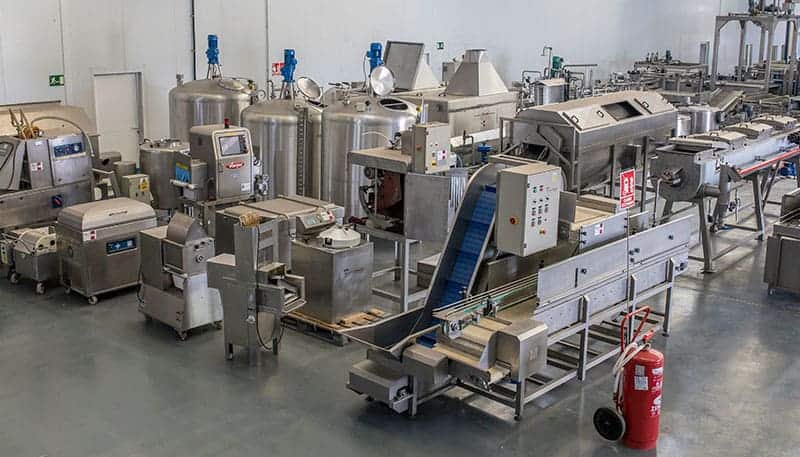
FSSC 22000 (Food Safety System Certification) is a globally recognised food safety management certification scheme based on ISO 22000, enhanced by sector-specific Pre-Requisite Programs (PRPs) and additional scheme-specific requirements. Furthermore, it was developed by the Foundation FSSC and benchmarked by the Global Food Safety Initiative (GFSI). As a result, the scheme is widely accepted by international retailers, manufacturers, and regulatory bodies. A key focus of the certification is hygienic equipment design in food safety, ensuring that all equipment used in food operations supports safe, contamination-free processes.
The primary objective of FSSC 22000 is to ensure the production of safe and high-quality food by enabling organisations to implement a risk-based, robust Food Safety Management System (FSMS). Consequently, it is applicable across the entire food supply chain, from processing and packaging to storage, transport, and distribution.
What’s New in FSSC 22000 Version 6: Focus on Equipment Management
With the release of Version 6, FSSC 22000 introduces several critical enhancements aimed at strengthening food safety performance and aligning with global industry practices. One of the most notable updates is Clause 2.5.15 – Equipment Management, which this article addresses in detail. According to GFSI, equipment refers to machines and components used in food production, processing, storage, and packaging. Importantly, such equipment must be designed to support safe food operations and prevent contamination throughout the food chain.
Hygienic design plays a central role in achieving this. It refers to equipment that is easy to clean, made from non-reactive, food-grade materials, and resistant to physical damage, ensuring it does not pose a risk to food safety during any stage of handling or processing. This reduces the likelihood of microbiological, chemical, or physical contamination and ensures equipment can withstand routine cleaning, sanitisation, and inspection without degrading or becoming a hazard.
Poorly designed equipment can result in serious food safety issues, regulatory non-compliance, product recalls, or even long-term brand damage. Conversely, equipment that follows hygienic design principles enhances safety, facilitates compliance, and helps preserve the integrity, quality, and trustworthiness of food products.
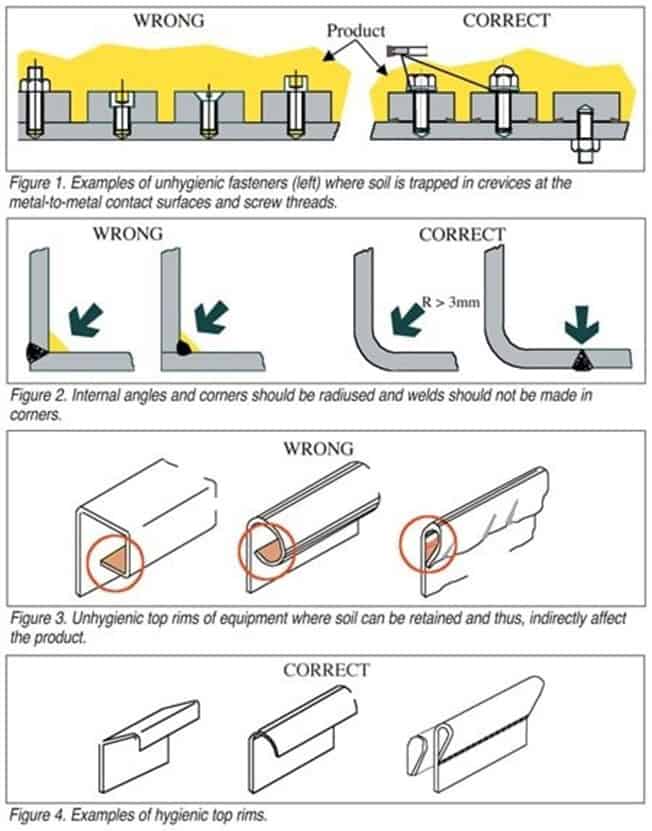
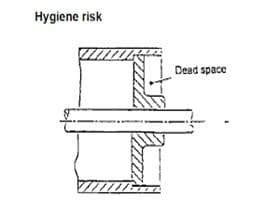
Core design principles include accessibility, cleanability, drainability, material compatibility, segregation, and appropriate surface geometry, all of which are emphasised in Clause 2.5.15- Equipment Management, to prevent contamination and ensure operational hygiene.

What is Equipment Management?
Equipment Management, as outlined in Clause 2.5.15 of FSSC 22000 Version 6, refers to a structured, risk-based approach that organisations must adopt to ensure all equipment used in food operations is hygienically designed, legally compliant, functionally appropriate, and well-maintained throughout its entire lifecycle. This includes not only new equipment installations but also modifications, upgrades, or replacements of existing systems. This requirement is applicable across all food chain categories, with the sole exception of subcategory F II (Brokering and Trading), where direct equipment use is not relevant (Ref: Page 2, Guidance Document- Equipment Management)
Clause 2.5.15 mandates two key components for compliance:
- Documented Purchase Specification – Clear, predefined requirements for equipment selection to ensure hygienic design and compatibility with food safety goals.
- Risk-Based Change Management Process – A formal process to assess and manage any changes to equipment, ensuring food safety is not compromised during installation, modification, or relocation.
1. Purchase Specifications
A purchase specification is a formal document prepared before acquiring equipment. It defines what the equipment should be capable of, how it should be designed to prevent food contamination, and what regulatory or customer requirements it must fulfil. This ensures that food safety is built into the equipment from the start, not treated as an afterthought.
What It Must Include:
- Hygienic design requirements, such as:
– Cleanable Surface
– Material compatibility with food

- Intended use of the equipment (e.g., type of product it will handle, operational environment)
- Legal and customer-specific requirements
- Risk assessment based on food safety hazards associated with the product and process
Supplier’s Obligations:
- Notify of any unmitigated food safety risks
- Provide comprehensive user manuals, including:
– Operational limitations
– Cleaning Procedures
– Inspection and maintenance instructions
Design Elements to Be Considered
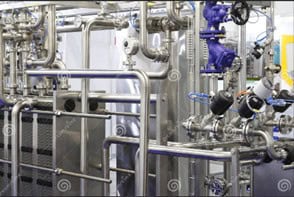
- Smooth welds, enclosed wiring, and rounded piping
- Mobility features (e.g., wheels or adjustable legs) for ease of cleaning
- Disassembly features for deep cleaning
- Service Level Agreement (SLA) outlining roles and responsibilities
- Supplier’s documentation demonstrating compliance (e.g., certification, technical manuals) before installation

2. Risk-Based Change Management
Risk-based change management is a formal process used to evaluate and control any potential food safety risks arising from new equipment installations or modifications to existing systems. This ensures that no changes are made without appropriate risk validation and documented controls.
The Process Should Involve:
- Documenting the change: Scope, responsible person, and implementation timeline
- Risk assessmentto:
- Identify new hazards
- Determine if existing controls remain effective
- Installation and Commissioning:
- Factory Acceptance Test (FAT) at the supplier’s sit
- Site Acceptance Test (SAT) post-installation
Validation and System Updates:
- Conduct validation studies for cleaning, hygienic performance, and equipment operation
- Update the FSMS accordingly:
- Revise hazard analysis
- Update cleaning and maintenance procedures
- Modify monitoring protocols
- Train personnel on new procedures
Documentation must be retained as per ISO 22000 Clause 6.3- Planning of changes, to demonstrate that the change process was effectively managed.
When Equipment Changes Are Planned: What to Do
Significant changes to equipment can affect your entire food safety system. Organisations must proactively adjust and validate the FSMS to maintain compliance and product safety.
Actions include:
- Reviewing and updating the hazard analysis
- Revising cleaning schedules, chemicals, and methods
- Updating preventive maintenance programs
- Modifying:
- Production records
- Allergen management
- Environmental monitoring plans
- Retraining personnel on changes
- Revalidating cleaning protocols and control points
- Preparing additional support resources (spares, technical teams)
Conclusion
The inclusion of Clause 2.5.15- Equipment Management in FSSC 22000 Version 6 reflects a critical shift: equipment is no longer just a support function; it’s a central part of your food safety strategy. When food businesses prioritise hygienic equipment design, risk-based procurement, and structured change management, they not only ensure compliance but also protect their brand, reduce operational risk, and build long-term consumer trust.

How Food Safety Works Can Help
We assist food businesses in creating detailed, risk-based purchase specifications tailored to their product types and processes. Our team ensures that your equipment choices meet all FSSC 22000 Version 6 requirements for hygienic design reviews.
Food Safety Works also offers engineering design support for custom-built equipment and automation tools such as zero-touch dispensing systems, environmental monitoring devices, and specialised handling solutions that enhance hygiene, predictability, and operational efficiency.
Whether you’re purchasing new machinery or upgrading existing systems, we ensure every step aligns with your food safety goals and regulatory obligations.