

Proprietary foods play an important role in the modern food industry, especially as food innovation and consumer preferences continue to evolve. These products allow food manufacturers to develop unique formulations that are not specifically standardised under existing food regulations but still comply with general safety and quality requirements. In India, proprietary foods are regulated under the Food Safety and Standards Act, 2006, and the Food Safety and Standards Authority of India (FSSAI) ensures that such foods meet the necessary safety and labelling standards before reaching consumers
An article of food that has not been standardised under the Food Safety and Standards Regulations. However, this category specifically excludes certain types of foods that are governed by separate regulatory frameworks.
Proper adherence to regulatory provisions ensures that proprietary foods are safe, compliant, and trustworthy, thereby maintaining consumer confidence in the food supply system. Proprietary foods play an important role in enabling innovation and flexibility in the food industry, allowing manufacturers to develop new products that may not fall within existing food standards.
The following categories are not considered proprietary foods:
- Novel foods
- Foods for special dietary uses (FSDU)
- Foods for special medical purposes (FSMP)
- Functional foods
- Nutraceuticals
- Health supplements
- Any other food articles notified by the Central Government.
It is important to note that a product cannot be classified as proprietary simply because it fails to meet the quality parameters of a standardised food. Deviation from existing standards does not automatically qualify a product as proprietary food.
Compliance with Other FSSAI Regulations
Manufacturers of proprietary foods must ensure that their products comply with all relevant provisions under the Food Safety and Standards Act, 2006 and its associated regulations.
These include compliance with regulations related to:
• Food product standards and food additives
• Contaminants, toxins, and residues
• Packaging and labelling requirements
• Microbiological standards
• Food safety management systems and hygiene practices
Compliance with these requirements ensures that proprietary foods are manufactured, processed, stored, and distributed in a manner that protects consumer health and ensures product safety.
Restrictions on Health Claims

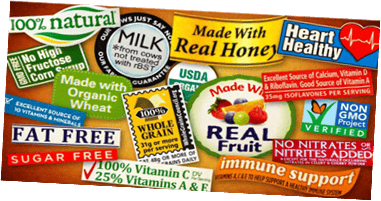
Proprietary foods cannot carry health claims on product labels, advertisements, or any other communication unless the claims are supported by adequate and scientifically validated evidence.
Any claim made must clearly demonstrate a proven relationship between the food product and the claimed health benefit.
This requirement helps prevent misleading or unsubstantiated claims, thereby protecting consumers from incorrect perceptions regarding the health benefits of a product.
Responsibilities of the Food Business Operator (FBO)

The Food Business Operator (FBO) holds complete responsibility for ensuring the safety of proprietary food products intended for human consumption.
The FBO must ensure that:
• All ingredients used are permitted under FSSAI regulations
• The product is manufactured under hygienic and controlled conditions
• Safety parameters such as microbiological limits and contaminants are within permissible limits
• Product labelling is accurate and complies with regulatory requirements
In addition, the FBO must maintain proper documentation and scientific evidence to demonstrate compliance during regulatory inspections or food safety audits.
Manufacturers must be careful when making claims related to proprietary foods. Health claims, nutrition claims, and functional claims must be scientifically substantiated and comply with regulatory guidelines. Any misleading or exaggerated claim can result in penalties and damage the brand’s reputation. Therefore, companies should ensure that all product claims are supported by credible evidence and align with applicable food regulations.
Ingredient Requirements for Proprietary Foods
Only ingredients that fall under the following categories are permitted:
• Ingredients that are standardised under FSSAI regulations
• Ingredients that are permitted for use in other food products
• Ingredients listed in the Indian Food Composition Tables (IFCT), 2017
Prohibited Ingredients: The following ingredients are strictly prohibited:
• Ingredients prohibited by the Food Safety Authority
• Ingredients derived from species protected under the Indian Wildlife Protection Act, 1972
Vitamins and Minerals:
Vitamins and minerals may be added to proprietary foods.
• The quantity must not exceed one Recommended Dietary Allowance (RDA) for the respective micronutrient.
Label and Display:
Food labels play a crucial role in providing transparency and information to consumers. Labels must clearly mention the name of the product, list of ingredients, nutritional information, allergen declaration, and the name and address of the manufacturer. Accurate labelling helps consumers make informed decisions about the foods they purchase and consume. Misleading claims or incorrect information on labels can lead to regulatory action and loss of consumer trust.
Documentation and Traceability:
In the regulation of proprietary foods. Companies must maintain proper records related to raw materials, processing methods, quality control tests, and product distribution. Traceability systems allow manufacturers and regulatory authorities to track food products throughout the supply chain. In case of any safety issue or product recall, traceability helps identify the source of the problem quickly and prevents further risks to consumers.
How to get registered on proprietary Food for FSSAI-Central License:

Identify the Product Category
The first step is to determine whether the product qualifies as a proprietary food.
A proprietary food is defined under the Food Safety and Standards (Food Products Standards and Food Additives) Regulations, 2011 as a food product that does not have a specific standard but is made using permitted ingredients and additives.
Before applying, ensure that:
• All ingredients are permitted for food use.
• Additives comply with the prescribed limits.
• The product does not contain any unsafe or restricted substances.
Conclusion
Obtaining an FSSAI Central License for proprietary food ensures that innovative food products meet regulatory requirements and are safe for consumers. By following proper documentation, compliance with ingredient regulations, and transparent labeling practices, food businesses can successfully introduce proprietary foods into the market while maintaining consumer trust and regulatory approval.