

In recent years there has been a noticeable increase in the emphasis on healthier food choices and lifestyle changes for a healthy diet for a healthier life. In 2022, the global health food market reached a value of $841 billion and is projected to grow to $1 trillion by 2026. Consumers widely embrace rainbow eating—eating in color—as a way to foster a healthier and more sustainable relationship with food. Thus the priority of choosing the product is on color, many food industries are utilizing it in the product or colored packaging to appeal to the consumer.
Colour Connections
As Kandinsky said, “Color is a power which directly influences the soul”. People tend to associate specific colors with particular tastes, believing color holds the memory of past experience. The colour of the product directly acts on the optical, neurological, and physiological functions of the consumer, providing a sense of human emotion. Each color conveys specific meanings that influence people’s sensory perceptions and behaviors. For example, warm colors like red, yellow, and orange evoke feelings of closeness and happiness. Similarly, cool colors like blue, purple, and green promote relaxation and calmness.
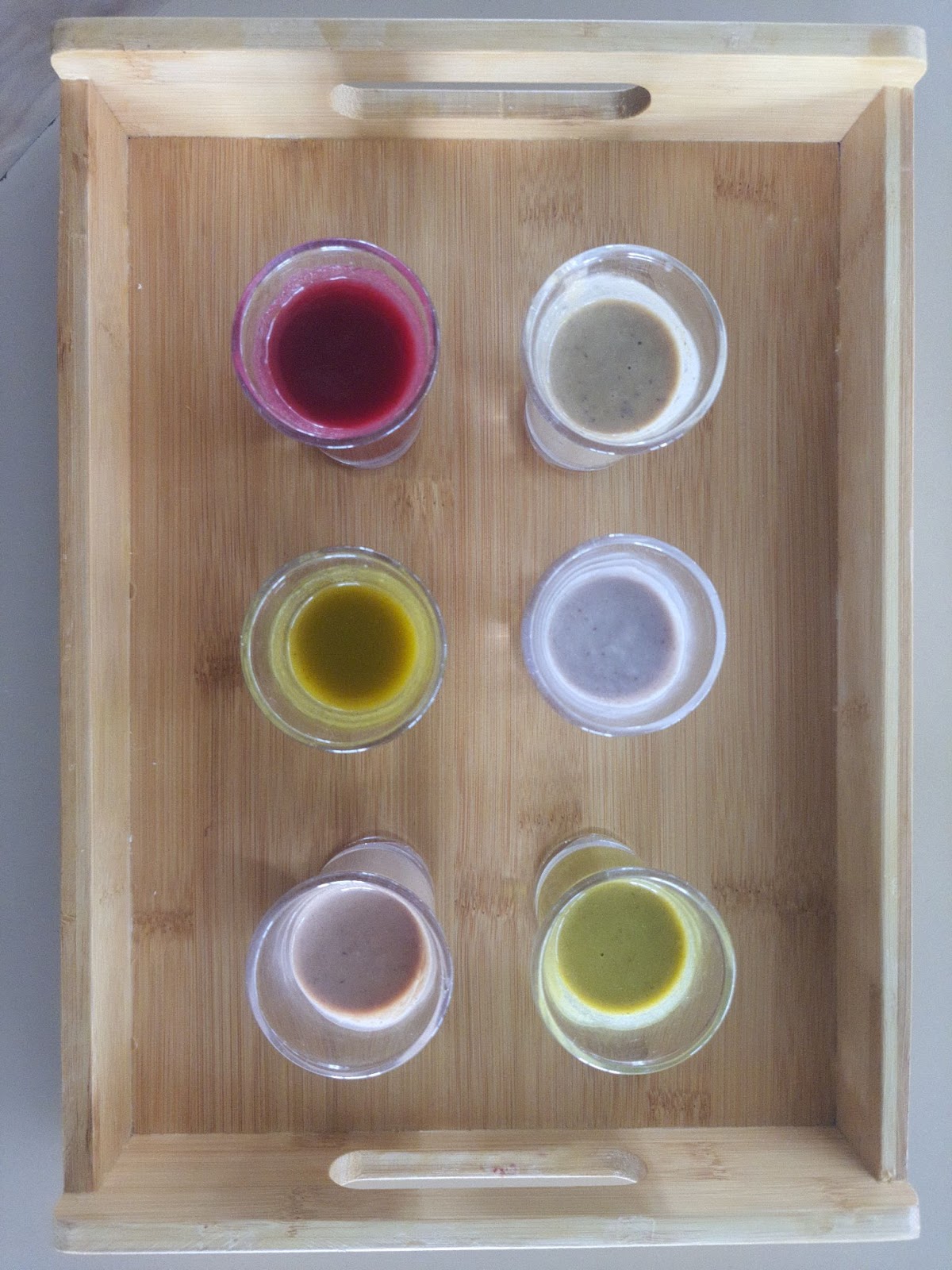
Image 1: In-house smoothies
The color in the food market:
“The warm colours ranging between yellow and orange are more attractive” according to Oterra. The connection between colour psychology and consumer acceptance has created a whole new environment in business for marketing. The brands of the major food industry use bright colours to attract consumers. When discussing aesthetics, the conversation often turns to what defines beauty and how people describe it. This topic has been debated since ancient times, focusing on the observer’s perception of an object and what makes it beautiful. Decades of research show that color plays a key role in consumer decisions and serves as the primary factor for categorizing products. Companies color and package food and beverages to capture shoppers’ attention and signal likely taste or flavor. Food technologists have also found that consumers often prioritize color over texture and flavor, a preference that drives growth in the food coloring industry.
Natural food colour vs artificial food colour
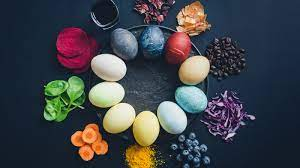
Image 2: Natural colouring food
Most trending fusion food articles like noddles and dumplings are made colourful by adding beetroot juice or matcha powder or more. Similarly, hibiscus, butterfly pea, turmeric, spinach, tomatoes, and more are being used in food to make it more appealing to consumers. Natural food colouring, commonly referred to as bio-colouring, is the term for substances that have the ability to add colour to food, according to Rymbai et al. Although some have been isolated from algae, insects, and mammals, plants are the main source of them. While there has long been public concern over the use of artificial/synthetic food colours, it should be remembered that food and drink products (e.g., red wine) have been purposefully coloured for millennia.
Image 3: Rainbow foods
Colours
| Color | Connected | Food |
| Red | Positivity effect- love, sweetness, and ripeness. | Cranberry, beetroot, watermelon, tomato, pomegranate, radish, strawberry |
| Name | E number | Mainly used in |
| Carmine (Cochineal) | E 120 | Alcoholic beverages, cheese |
| Azorubine | E 122 | Pudding, convenience products, confectionery |
| Amaranth | E 123 | Liqueurs, fish roe |
| Cochineal Red A | E 124 | Fruit jellies, pollack spread, confectionery |
| Color | Connected | Food |
| Green | Freshness and healthy | Avocado, cucumber, spinach, kale, broccoli, snow pea, zucchini, artichoke |
| Name | E number | Mainly used in |
| Spirulina extract | E 134 | Beverage bases, breakfast cereals, cocoa products, confectionery products |
| Chlorophyll, Chlorophyllins | E 140 | Chewing gum, confectionery |
| Copper complexes of chlorophylls and chlorophyllins | E 141 | Chewing gum, confectionery |
| Green S | E 142 | Confectionery |
| Fast Green FCF | E 143 | Green peas and other vegetables, jellies, sauces, fish, desserts, and dry bakery mixes |
| Color | Connected | Food |
| Blue | Trust and tranquility In food items, it’s found unusual and unappetizing. | Blueberry, Blue Pea Flower, Elderberries, Blue Pansy Flower. |
| Name | E number | Mainly used in |
| Patent Blue V | E 131 | Glazes, beverages, confectionery |
| Indigotine | E 132 | Glazes, beverages, confectioner |
| Brilliant Blue FCF | E133 | Sweets, beverages |
| Color | Connected | Food |
| Yellow | Happiness, joy and warmth. | Pineapple, corn, turmeric, lemon, banana. |
| Name | E number | Mainly used in |
| Riboflavin-5’-Phosphate | E 101a | Mayonnaise, pasta, soups |
| Tartrazine | E 102 | Sherbet powder, fruit essences, aroma liqueur |
| Quinoline Yellow | E 104 | Pudding powder, smoked fish, Easter egg dyes |
| Orange Yellow S | E 110 | Apricot jam, ready-made soups, cheese sauce,marzipan |
Conclusion:
Colour is a key sensory quality that can influence people’s perspective on acceptance of food, their appetites, and how they decide what to buy. Visually appealing food products tend to taste better and attract more preference than non-appealing products. Today, people consider color not only an aesthetic factor but also a tool for expression, advertising, and signaling status.