
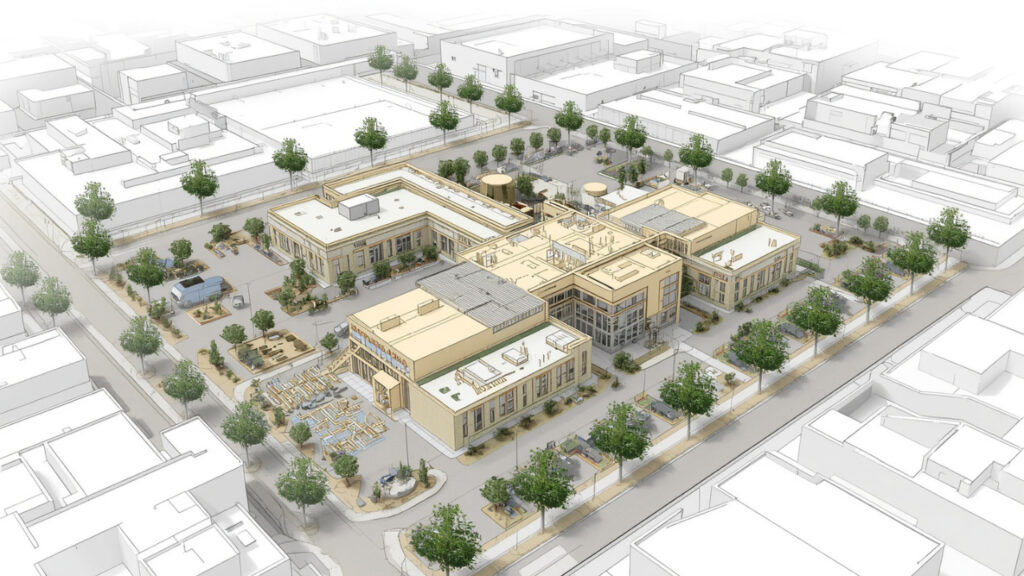
In any food business, food safety begins long before you even start your production or even before the ingredients enter the production line or preparation area. The design and condition of the building plays a fundamental role in maintaining hygienic operations. Building and infrastructure therefore form an essential prerequisite program within a food safety management system. A properly designed and maintained facility supports safe food handling, protects employees, and ensures that the environment does not become a source of contamination.
The construction and layout of a facility directly influence how effectively food safety practices can be implemented. Materials used in construction must be durable, non-toxic, and suitable for food product handling environments. Floors should be smooth, non -slippery, non-absorbent, easy to clean, properly sloped and resistant to chemicals used during sanitation. Walls and ceilings should be constructed in a way that prevents accumulation of dust, condensation, and microbial growth. Roofing structures must protect the facility from weather conditions while maintaining a controlled and hygienic environment inside.
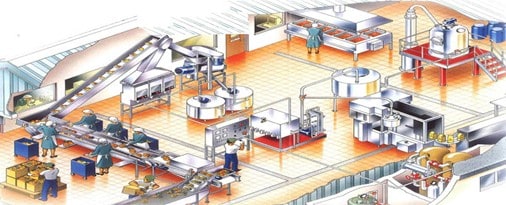
Facility Design and Hygienic Construction
A well-planned facility layout helps prevent cross contamination and supports efficient operations. Processing areas, storage rooms, waste handling zones, and employee facilities should be clearly separated. Surfaces that come in contact with food or are located near production areas must be easy to clean and maintain. Adequate lighting, ventilation, and drainage systems also contribute to maintaining a safe and hygienic environment. Poorly designed infrastructure can create hidden contamination risks that are difficult to control through operational procedures alone.
External Environment and Pest Prevention
The surrounding environment of the facility plays an equally important role in food safety. Uncontrolled vegetation, standing water, waste accumulation, or scattered debris can attract pests and create breeding grounds for harmful microorganisms. Proper site maintenance is therefore essential. Regular maintenance of external areas, effective drainage systems, and pest prevention measures such as bait stations, traps, and fly control devices help minimize these risks. Maintaining a clean perimeter strengthens the overall hygiene barrier of the facility.
Access Control and Operational Segregation
Controlling entry into food handling areas is another key element of infrastructure management. Employees must follow defined entry procedures that support hygiene requirements, while visitors and contractors should be monitored and briefed before accessing production areas. Within the facility, operational activities should be organized in a way that separates raw materials, processing stages, finished products, and waste handling. This structured flow of activities significantly reduces the likelihood of cross contamination.
Conclusion
Building and infrastructure are far more than physical structures. They form a critical prerequisite program that supports hygiene, safety and operational efficiency across the food industry. A well-designed facility reduces contamination risks, simplifies sanitation practices, and creates an environment where safe food handling becomes the standard. By investing in proper infrastructure and maintaining it consistently, food businesses establish a strong foundation for a reliable and effective food safety management system.