


INTRODUCTION
Food processing has always been a part of human civilization. From drying grains under the sun to modern packaging and preservation technologies, processing’s which helps improve food safety, availability, and convenience. However, as food systems evolved, diets also changed significantly. Ready to eat foods, packaged snacks, and industrial food formulations are now widely available and consumed across the world.
To better understand these changing dietary patterns, researchers introduced a system called the NOVA classification. The NOVA classification was developed in 2009 by Brazilian researcher Dr. Carlos Augusto Monteiro and his team at the University of São Paulo. The system was created to study changing dietary patterns and the increasing consumption of industrially processed foods. Unlike traditional nutrition systems that focus mainly on nutrients, NOVA classifies foods based on the extent and purpose of processing.
Over time, this classification has generated considerable debate among nutrition scientists, policymakers, and the food industry. Some experts consider it a valuable public health tool, while others believe it oversimplifies complex food processing technologies. Despite differing views, NOVA remains widely discussed in global nutrition and food policy conversations.
FOOD PROCESSING Vs PROCESSED FOODS
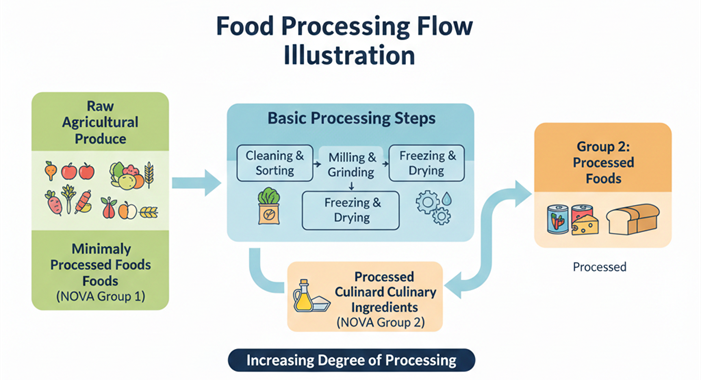
Food processing and processed foods are often misunderstood as the same concept, but they are different.
Food processing refers to methods used to transform raw agricultural materials into edible or usable food products. These methods include cleaning, drying, grinding, freezing, fermentation, and pasteurization. Processing helps improve shelf life, safety, and convenience.
Processed foods, on the other hand, are foods that have been modified by adding ingredients such as salt, sugar, oil, or additives along with processing steps to enhance taste, texture, or stability. While all processed foods involve processing, not all processing results in foods that are classified as processed under dietary classification systems. Understanding this distinction is essential before exploring the NOVA classification system.
NOVA CLASSIFICATION
The NOVA classification was developed to evaluate foods based on the extent and purpose of processing rather than nutrient content alone. It focuses on the transformation foods undergo after being separated from their natural state and before consumption.
The NOVA system classifies foods into four groups based on the extent of processing they undergo.
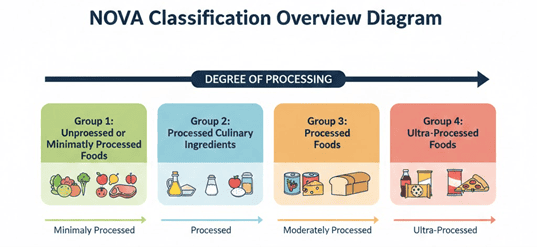
Group 1 – Unprocessed Or Minimally Processed Foods:
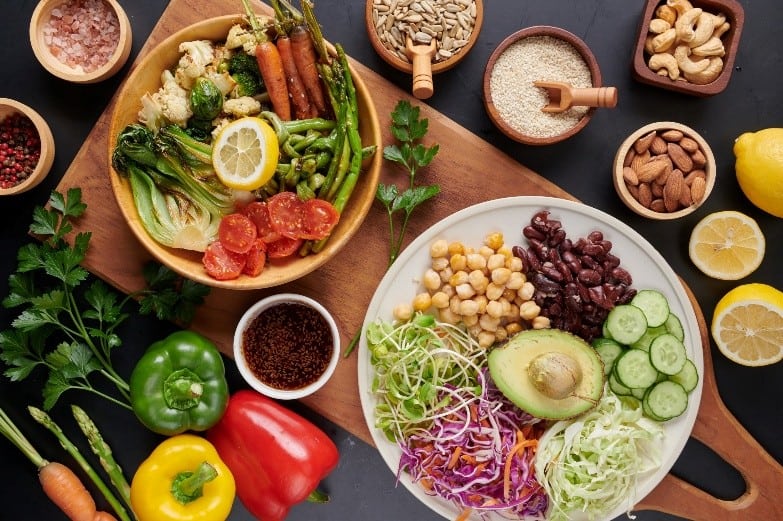
- These foods are closest to their natural state and include edible parts of plants and animals that undergo minimal changes after harvesting or collection.
- Unprocessed foods include edible parts of plants or animals obtained directly from nature such as seeds, fruits, leaves, stems, roots, eggs, milk, and fresh meat.
- Minimally processed foods undergo processing without addition of substances such as salt, sugar, oils, or fats. The primary purpose of these processes is to extend shelf life, remove inedible parts, or facilitate preparation.
- Common processes include removal of unwanted parts, drying, crushing, grinding, filtering, roasting, boiling, pasteurization, refrigeration, freezing, vacuum packaging, and non alcoholic fermentation.
- Foods prepared using two or more items from this group are also considered minimally processed if no sugar, honey, oil, or fat is added. Foods fortified with vitamins and minerals to replace nutrients lost during processing are also included in this group.
Group 2 – Processed Culinary Ingredients
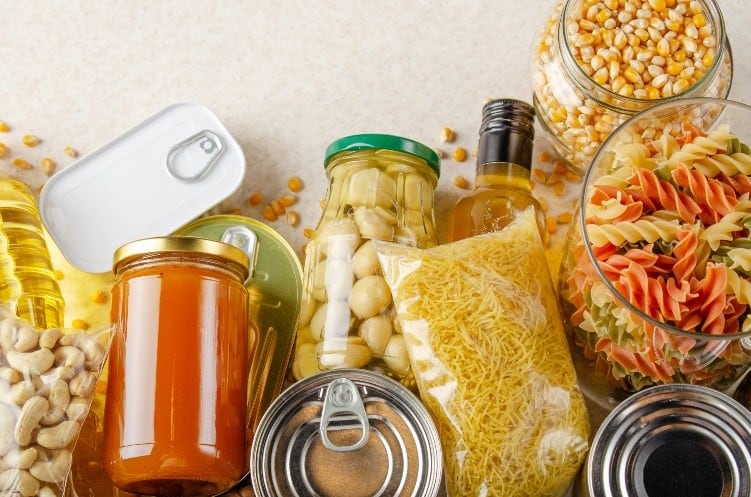
- Processed culinary ingredients are derived from unprocessed or minimally processed foods and are rarely consumed independently. They are mainly used to season, cook, or prepare foods.
- These ingredients are obtained through processes such as pressing, refining, grinding, milling, and spray drying.
- The primary purpose of processing at this stage is to produce ingredients used in domestic and commercial food preparation.
- Examples include salt, sugar, molasses, honey, syrups, vegetable oils, butter, ghee, and starches.
- Permitted additives in this group may include antioxidants, anti humectants, and antimicrobials.
Group 3 – Processed Foods
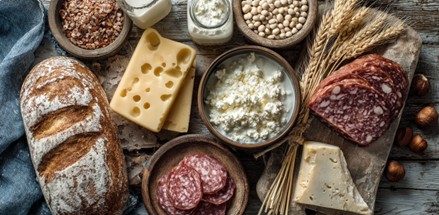
- Processed foods are produced by adding salt, sugar, oil, or other processed culinary ingredients to foods from Group 1. The main objective of processing at this level is to increase shelf life or enhance sensory characteristics.
- These foods generally retain the identity of the original food and usually contain a limited number of ingredients.
- Examples include canned foods, salted nuts and seeds, cured and smoked meats, and certain fermented foods.
- Alcoholic beverages produced through fermentation of Group 1 foods are also included in this group.
- Additives commonly present include antimicrobials, antioxidants, and preservatives.
Group 4 – Ultra Processed Foods
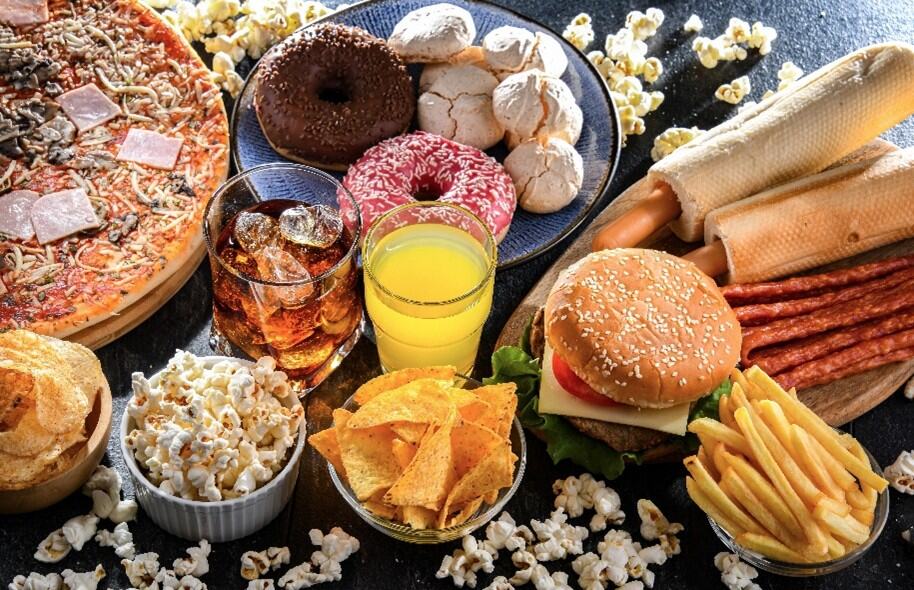
- Ultra processed foods are industrial formulations typically containing five or more ingredients. These products contain little or no whole foods from Group 1 and include combinations of culinary ingredients along with additives such as stabilizers, preservatives, antioxidants, and emulsifiers.
- The purpose of adding these substances is to imitate the sensory qualities of natural foods or to mask undesirable characteristics of the final product.
- Additives commonly found in this group include colours, flavours, flavour enhancers, non sugar sweeteners, and processing aids such as bulking agents, anti caking agents, de foaming agents, glazing agents, sequestrants, and humectants.
- Manufacturing processes often include extrusion, molding, and preprocessing for frying.
- Examples include instant noodles, packaged snacks, carbonated beverages, cookies, pastries, infant formula, and distilled alcoholic beverages such as vodka, whisky, gin, and rum.
CHANGING DIETARY PATTERNS AND HEALTH CONCERNS
Increasing urbanization, fast paced lifestyles, and demand for convenience have contributed to a rise in consumption of packaged and ready to eat foods. As ultra processed foods become more accessible and affordable, traditional diets based on fresh or minimally processed foods are gradually declining.
Several public health discussions associate this dietary shift with increasing prevalence of obesity, metabolic disorders, and lifestyle related diseases. The NOVA classification has therefore gained attention as a framework to evaluate how industrial food processing may influence dietary quality and health outcomes.
However, food processing itself is not inherently negative. Many processing techniques play an essential role in ensuring food safety, reducing food waste, and improving accessibility. The challenge lies in balancing technological advancement with nutritional quality and responsible food formulation.
CONCLUSION
The NOVA classification offers a practical approach to understanding foods through the lens of processing rather than nutrients alone. By categorizing foods into different levels of processing, the system provides insights into evolving food consumption patterns and their potential impact on public health.
While debates continue regarding its interpretation and application, the NOVA framework remains an important reference in nutrition research, policy discussions, and dietary guidance. As global food systems continue to transform, understanding the degree of food processing will remain a critical component in promoting balanced and informed food choices.