

In recent years, the popularity of plant-based meat alternatives has soared, driven by concerns over health, sustainability, and animal welfare. The global plant-based meat market size is projected to reach $24.8 billion by 2030. As more consumers adopt plant-based diets, companies scramble to meet demand, resulting in a proliferation of products on store shelves. Amid this boom in innovation and marketing, branding and regulatory issues have become critical considerations for companies in the plant-based meat industry.
What is plant-based meat?
Plant-based meat, meat analogues, or meat-like products meticulously replicate the texture, consistency, and sensory experience of conventional meat and meat-based products. It extends beyond mere imitation, encompassing the emulation of aesthetic, organoleptic, and chemical attributes inherent to traditional meat products. Such meticulous replication constitutes a primary driver behind the burgeoning popularity of mock meat among non-vegetarian consumers.
The Branding Battle
Branding is a cornerstone of success in any industry, but it holds particular significance in the realm of plant-based meats. Companies must carefully craft their brand identities to communicate key messages about their products, including their nutritional benefits, taste, and environmental impact.
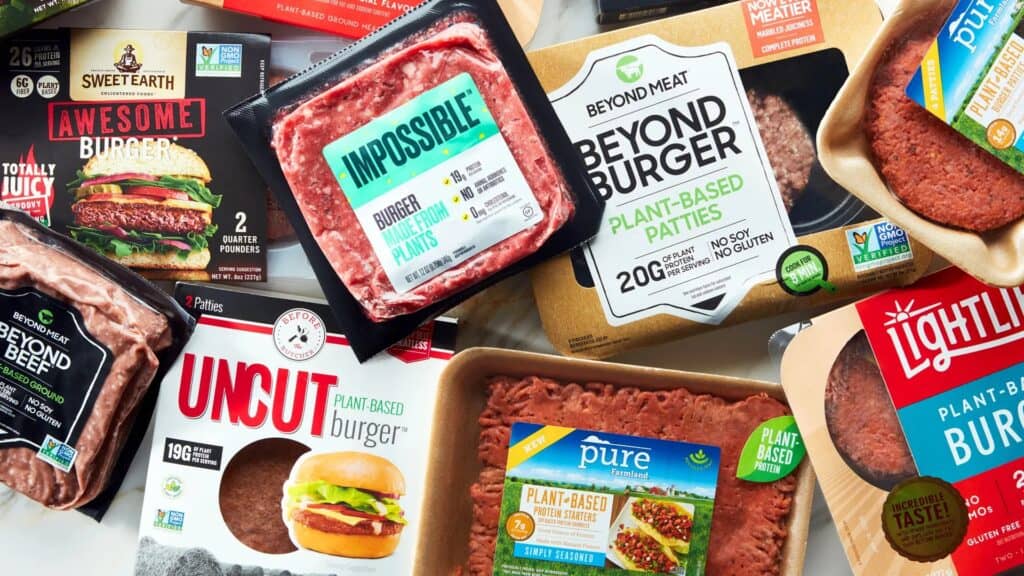
Authenticity:
One of the biggest challenges in branding plant-based meats is establishing reliability. While these products aim to mimic the taste and texture of traditional meat, they must also differentiate themselves from their animal-based counterparts. Effective branding conveys the message that plant-based meats are not just substitutes but viable alternatives in their own right.
Health Halo:
Many consumers turn to plant-based meats with the perception that they are healthier than their animal-based counterparts. While this may be true in some cases, not all plant-based meats are created equal. Brands must be transparent about their ingredients and nutritional profiles to avoid misleading consumers and maintain trust.
Brands must adopt a proactive stance in their promotion of alternative meat products. According to a recent survey conducted by McKinsey, 82% of respondents attributed a perception of healthiness to plant proteins, surpassing the corresponding figure of 74% for animal protein. Highlighting the nutritional advantages inherent in plant-based meats, such as their low sodium content and rich amino acid profiles, represents a distinct competitive edge that traditional meat products struggle to rival.
Sustainability:
Environmental concerns are a driving force behind the plant-based movement, and brands that emphasize their eco-friendly credentials can gain a competitive edge. However, greenwashing—the practice of making exaggerated or misleading claims about environmental benefits—can backfire and damage a brand’s reputation. Companies must provide credible evidence to support their sustainability claims.
Addressing Skepticism is Essential:
Only 9% of the Indian population is vegan. Although a large part of the Indian population is vegetarian, they are less likely to try anything that tastes like meat. Expanding to include flexitarian consumers will broaden the existing customer base.
A flexitarian is someone who eats less meat but isn’t strictly vegetarian. Encouraging them to try plant-based options can introduce them to something different, with the hope that they enjoy it enough to come back for more and share with others. By understanding their concerns and highlighting the benefits of plant-based meat, we can make it easier for new customers to give it a try.
Regulatory Challenges
In addition to branding considerations, plant-based meat companies must navigate a complex regulatory landscape that governs everything from labeling to ingredient standards. As the industry continues to evolve, regulators are grappling with how best to regulate these novel products.
Licensing:
In India, there is no specifically defined category for such products under FSSAI. Most of the plant-based products are usually added as proprietary products to the licenses. It is a challenge to identify the most suitable nearest category. The manufacturing companies shall have to be very cautious while working on the applications to avoid delays due to queries or rejections.
Labeling:
The labeling of plant-based meats has been a contentious issue. Although regulators have not provided clear guidelines for naming these products, traditional meat producers argue that terms like “burger” or “sausage” should refer exclusively to products derived from animals. There are chances that in the future there might be similar restrictions as there are on the usage of dairy terminology on non-dairy-based products. Clear and accurate labeling is essential to avoid confusion among consumers and comply with regulatory requirements.
Ingredient Standards:
Ensuring the safety and quality of ingredients used in plant-based meats is another regulatory challenge. Regulators generally recognize many plant-based ingredients as safe, but businesses must obtain approval for novel ingredients or production processes. Companies must stay abreast of evolving regulations and work closely with regulatory authorities to ensure compliance.
Nutritional and Allergen Labeling:
Accurate nutritional and allergen labeling is crucial for helping consumers make informed choices about their diets. Plant-based meats vary widely in their nutritional profiles, and brands must provide transparent and accurate information about factors such as protein content, fat content, and allergen risks.
It’s crucial to recognize that plant-based meats may contain allergens, depending on their ingredients and manufacturing processes. Common allergens found in plant-based products include soy, wheat, and nuts. Cross-contamination during production is another concern, especially in facilities that also process allergens like dairy or eggs. Therefore, manufacturers should implement stringent allergen control measures and clearly label products to help consumers make informed choices and mitigate allergic reactions.
Looking Ahead
As the plant-based meat industry grows, branding and regulatory issues remain central. Companies that focus on authenticity, transparency, and compliance position themselves to succeed. By navigating these challenges carefully, brands can meet the needs of consumers seeking sustainable, healthy, and tasty alternatives to traditional meat.
How can we help?
The team of experts at Food Safety Works can be your one-stop solution for overcoming both branding as well as regulatory challenges.