
A sudden shift in the consumer’s dietary behavioral pattern, towards reducing meat consumption post COVID – 19 outbreak has increased the popularity of plant based meat globally. Despite global meat consumption increasing over the previous decades, there is a growing market for vegetarian and vegan alternatives.
In the past, a relatively small market of vegetarians and vegans primarily consumed plant-based diets. Today, however, consumers are shifting toward sustainable plant-based alternatives due to health benefits, environmental concerns, ethical considerations, and social factors.
What is Mock Meat / Meat Analogues / Plant Based Meat ?
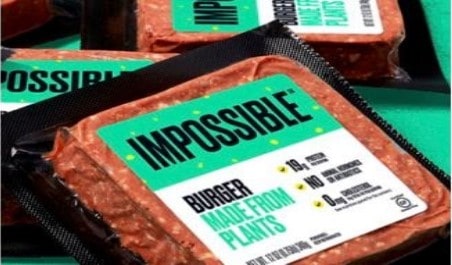
- Mock Meat or Meat Analogues are plant based, Meat-like products that are prepared to resemble the texture, consistency and mouth feel of conventional meat and meat products.
- It simulates the aesthetic, organoleptic, and chemical characteristics of traditional meat products, which is one of the main reasons why mock meat has gained popularity among the non – vegetarians.
What are the main ingredients used to make mock meat?
Meat substitutes are primarily made from plant-based sources such as soya, jackfruit, wheat protein (gluten), and protein isolates from legumes and pulses like pea, lentil, mung bean, and chickpea, as well as fungi including mycoprotein, yeasts, and mushrooms.
In addition to protein isolates, mock meats also contain heme, fats, binders, and flavoring agents to replicate the taste and texture of conventional meat.
What makes plants taste like Meat ?
The “Heme molecule” is the key ingredient that gives meat its distinct meaty taste when raw and produces the intense flavors and aromas when cooked.
Heme is a nutrient abundantly present in animal tissues and naturally occurs in all living organisms, including plants. The major source of heme in meat is the protein Myoglobin. Plants, particularly nitrogen-fixing plants and legumes, naturally contain Heme molecules in their roots. Soybeans thus make a functionally identical protein known as Soy leg-hemoglobin, which is the short form of legume Hemoglobin. Because the molecule imparts meaty flavor and color, manufacturers use it in the production of plant-based meat products.
What is the role of Protein in Mock Meat ?
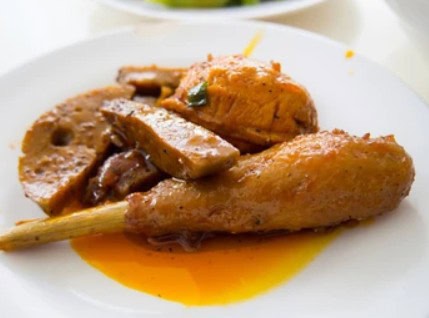
- The protein ingredients used for the manufacture of meat analogues is undoubtedly one of the most important components for product identity and product differentiation as it is responsible for imparting a fibrous structure similar to the muscle meat.
- Manufacturers primarily prepare mock meat using Textured Vegetable Protein (TVP) and Isolated Soy Proteins (ISP). Proteins have an important structure-function relationships in terms of hydration and solubility, inter-facial properties (emulsification and foaming), flavor binding, viscosity, gelation, texturization, and dough formation, hence the different plant based composites used to develop plant – based meat alternatives have unique texture profiles.
Are plant – based meat healthy?
- People primarily consume meat analogues when seeking sustainable and nutritious vegetarian options.
- In addition, many meat analogs qualify as complete proteins and also contain substantial levels of dietary fiber, natural antioxidants and phytochemicals; while possessing a low saturated fatty acid content and no cholesterol.
- Although mock meats deliver high-quality protein and essential amino acids, they often contain more sodium than their meat counterparts and are highly processed. Hence research is still on to see if mock meat can be a healthy alternative for conventional meat.
Is Plant Based Meat sustainable ?
The answer is “Yes” Although meat provides a high-quality source of protein, it is not sustainable, which has driven the growth of the plant-based meat industry, particularly in the US and UK. Research assessing the carbon footprint of meat alternatives has concluded that plant-based meats are a more sustainable option, as they produce significantly lower carbon emissions than conventional meat and processed meat products.
Though plant based meat accounts for a small portion of the Indian market , it’s popularity is growing rapidly among both vegetarians and non – vegetarians. So, if you are a vegetarian or vegan or just someone who is trying to decrease meat in your diet, do taste the meatless meat foods available in the market.