
As our country is still suffering from COVID -19 pandemic, the fear of the virus which causes bird flu has created panic among people. The bird flu outbreak has been confirmed in poultry across ten states: Kerala, Rajasthan, Madhya Pradesh, Himachal Pradesh, Haryana, Gujarat, Uttar Pradesh, Delhi, Uttarakhand, and Maharashtra.
FSSAI has issued a guidance document titled ‘Safe handling, processing and consumption of poultry meat and eggs during bird flu outbreak’ in which it has ensured that by proper handling and cooking of poultry meat and eggs, we can prevent transmission of the flu to humans.
What is a Bird Flu ?
Bird flu, or avian influenza, is an infection caused by avian influenza viruses. These flu viruses occur naturally among birds. Wild birds worldwide carry the viruses in their intestines, but usually do not get sick from them. However, bird flu is very contagious among birds and can make some domesticated birds, including chicken and ducks, very sick and kill them.
How does the infection occur?
Most strains of the avian influenza virus are primarily found in the respiratory and gastrointestinal tracts of infected birds, not in their meat. However, the highly pathogenic H5N1 strain can be present in the meat and both inside and on the surface of eggs laid by infected birds.
Does it transmit to humans?
- Humans rarely catch avian flu. Workers near infected birds face the highest risk.
- Do not eat raw or undercooked poultry or eggs. Half-cooked eggs can carry the virus.
- Cook meat and eggs thoroughly. Heat them to 74 °C or higher to kill the virus.
Precautions to be taken
- Consumers: Do not purchase eggs or poultry meat from areas affected by avian influenza. Avoid visiting open markets selling poultry from these regions.
- Retail shops: Do not bring live, slaughtered, or dead poultry birds from outbreak areas to prevent the virus entering the food chain.
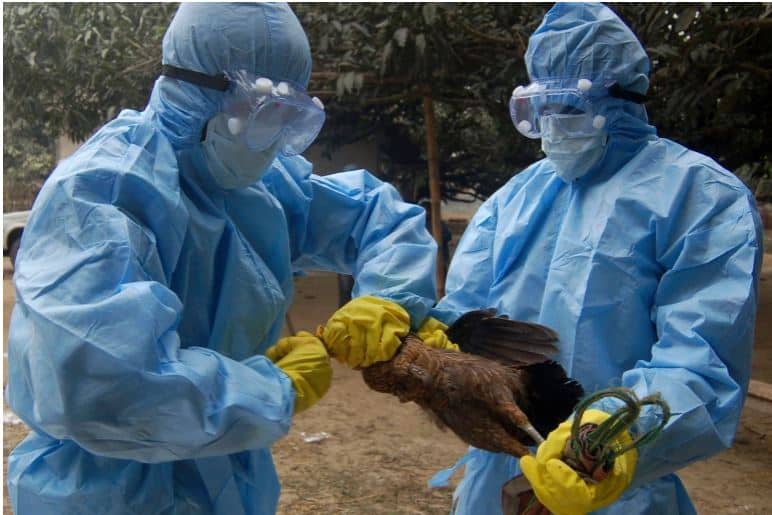
- Handling live poultry: Wear PPE, gloves, and masks while culling or handling birds.
- Handling raw meat or poultry products: Wear gloves and masks. Wash hands thoroughly with soap and water before and after handling raw poultry and eggs. Avoid contact with bird droppings.
- Chopping boards and knives: Do not use the same tools for other foods unless thoroughly washed with soap/detergent or properly sanitized.
- Cleaning poultry or eggs: Do not wash under running water to avoid splashing and spreading droplets. Instead, dip them in clean, potable water.
- Surfaces and utensils: Wash and disinfect all items that come into contact with raw meat.
Wash and disinfect all surfaces and utensils that have been in contact with the raw meat.
The FSSAI reports that the WHO considers poultry meat and eggs safe to eat. The WHO confirms that properly cooked food does not transmit the disease to humans. Therefore, people can safely prepare and consume poultry, following all necessary food safety and hygiene precautions.
References: FSSAI issues a Guidance Document on Safe handling, Processing and Consumption of Poultry Meat and Eggs during Bird Flu Pandemic